Yes, lights do make your room hotter, but it really depends on what bulbs you’re using. Old incandescent bulbs waste about 90% of their energy as heat—so a 60-watt bulb pumps out serious warmth, especially in smaller spaces where heat can’t escape as easily.
LEDs and CFLs, though? They barely warm things up at all. The difference is noticeable, and there’s more to understand about how placement, dimming, and room size all factor in.
Do Incandescent Bulbs Really Heat Your Room?
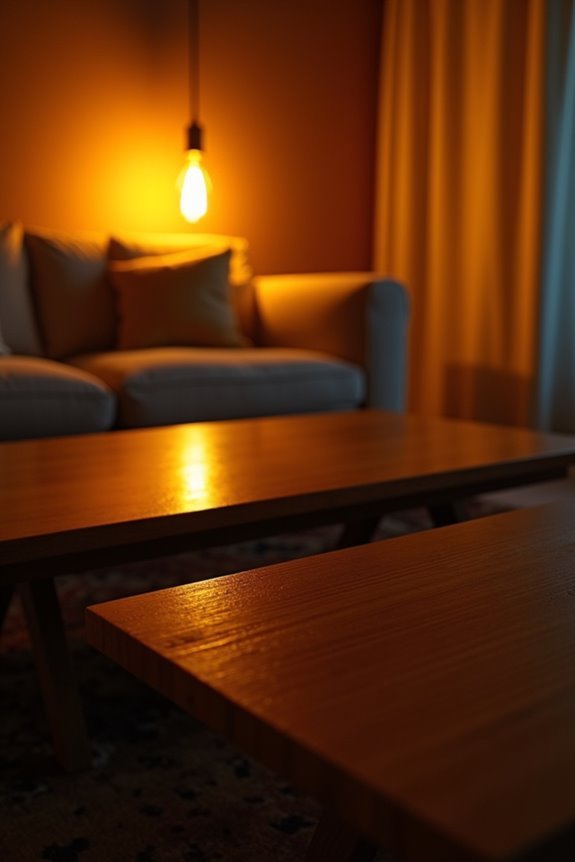
Ever wonder why your desk lamp feels warm to the touch? That warmth isn’t coincidence. Incandescent bulbs are heating machines disguised as lights. They convert only about 10% of their energy into visible light, meaning roughly 90% becomes heat.
A single 60-watt bulb releases around 216 kilojoules of heat over one hour. In an average-sized room, that’s enough to raise the temperature by about 2.1 degrees Celsius. Running multiple bulbs means this temperature rise compounds.
This energy efficiency problem matters most during summer months. That’s why switching to LEDs makes practical sense—they produce significantly less heat while delivering the same brightness.

High-Performance Heat Output: Designed for heating applications, this 250-watt R40 bulb emits focused infrared heat for food service, bathrooms, saunas, and animal habitats with 2700K warm white light and 100 CRI

Pack of 2 Clear Heat Lamps: Get double the warming power with two heat bulbs for food warmers, chickens, livestock and reptiles. Use one as a handy chicken coop light and install another in the bathroom for luxurious all-over warmth (no more post-shower chills!).

Directs heat and light toward a specific area for basking reptiles.Controller type:Push Button
LED and CFL Bulbs: Why They Keep Rooms Cooler
So what’s the solution to keeping your space cooler without sacrificing brightness? LED and CFL bulbs. Here’s how it works: while incandescent bulbs waste about 90% of their energy as heat, LEDs and CFLs actually convert most of their power into light instead. That means way less heat output from these modern options.
When you switch to LED or CFL bulbs, you get cooler rooms—especially helpful if you’re in a small space or somewhere that doesn’t get much air circulation. You’ll experience noticeably more comfortable conditions without dimming your room or settling for shadows. You’ll get bright illumination and lower heat at the same time, which is a practical advantage. Your comfort improves, and your energy bill does too.

2700K Soft Warm White Low Lumen Bulbs: A not cool white or too bright, Dim LED Filament bulbs with 150 lumens, CRI>95, provides you a cozy and romantic environment.widely used in bathroom, bedroom night lights, bedside lamp, chandelier, ambiance lighting,accent lamp table lamp replacement item: 41267, 97491, 10015

Technical Features: E26 A19 edison LED bulb (DIA: 2.36" x HIGH: 4.25"). 4W equals 40 watt incandescent bulbs, CRI 90+, 360°beam angle. AC-120V, 300LM, 2200K, amber glass, safe to touch, won't turned black during using. Ideal replacement for incandescent's

Size: 0.47*1.42in, this bulb is larger than a traditional halogen bulb. Non-dimmable, please don't use them with dimmer or unstable 12 volts, or the bulbs will flicker or make noise
The Math: What a 60-Watt Bulb Actually Does
So here’s the thing—when you flip on that 60-watt bulb, it’s converting electricity into heat and light, and honestly, all that energy’s gotta go somewhere (spoiler: it becomes warmth in your room). Let me show you the actual numbers, because they’re way more interesting than you’d think: that bulb pumps out roughly 216 kilojoules in just one hour, which sounds huge until you realize it only nudges your room’s temperature up by about 2.1 degrees Celsius. The math reveals that while lights definitely do add heat, it’s actually pretty modest compared to, say, your own body sitting there or even a decent breeze coming through a window.

[ UL Product ] - UL listed JACKYLED GU24 CFL light bulbs are made of high-quality fire retardant materials (PBT) with high temperature resistant and color stability, lighting up in an instant with no strobe lights or noise.

Lead- free glass; end of life protection; low maintenance

Energy Efficient LED Light Bulbs: These 60w a19 led bulbs with lower energy consumption, 60 watt equivalent but energy use 9.5W only.
Energy Conversion and Heat Output
While it might seem like light bulbs just produce light, here’s what’s actually happening: that 60-watt bulb you’ve got screwed into your lamp? It’s converting electricity into two things—light and heat. With incandescent bulbs, only 10-15% becomes visible light; the rest turns into heat that warms your room. LEDs work differently, converting much more energy into light and way less into heat, which means they’re gentler on your space’s temperature. That distinction matters because it changes how much your room actually warms up. When you’re choosing between bulb types, you’re deciding how much extra heating you want happening in your space. Understanding this energy conversion helps you make smarter choices about comfort and efficiency together.
Real Temperature Rise Calculations
Let me show you what actually happens when you flip on that 60-watt bulb for an hour—and the math is straightforward. Your bulb delivers about 216 kilojoules of heat to the room’s air, which sounds impressive until you consider what’s actually happening. In a typical 85 cubic-meter bedroom containing roughly 102 kilograms of air, that lighting heat raises your temperature by just 2.1 degrees Kelvin. So your room climbs from 20°C to about 22.1°C—barely noticeable. The air density drops slightly from the warming, but the fact remains: that modest temperature rise is your actual reality. Lights do contribute heat, but they’re not your room’s main culprit for getting uncomfortably warm.
Why Small Rooms Heat Up Faster From Lights
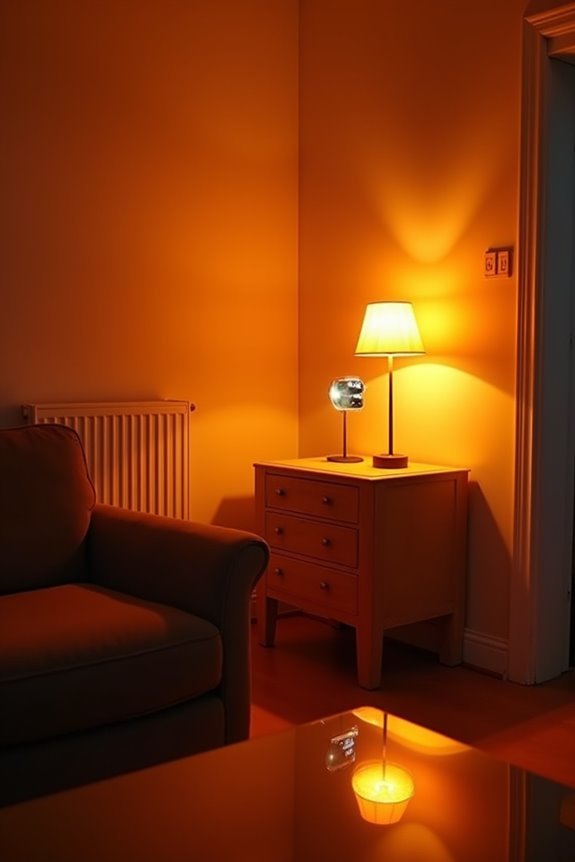
If you’ve ever noticed your tiny bedroom or home office getting toasty way faster than your living room, there’s actually a straightforward reason—it’s all about the space you’re working with. When you’ve got a 60-watt bulb running in a small room (think, say, 85 cubic meters or less), that heat has nowhere to escape and dilutes across way less air, so the temperature climbs noticeably faster than it would in a sprawling space. The smaller your room and the higher the wattage of your light, the more pronounced this warming effect becomes, which is why your compact reading nook might feel like a sauna while your open-concept living area stays totally comfortable with the exact same bulb burning away.

【Dimmable and Adjustable Color Temperature】LED light bulbs can be adjusted as bright as you like from 1% to 100% to better suit your mood or needs. The color temperature can be adjusted in the range of 3000K to 6000K. Enjoy the ambiance anywhere in your home from soft warm colors to clear and bright daylight cool colors.

【Amber Sleepy Baby Nursery Light Bulbs 】KINUR LED amber light bulb replace the light bulbs 60 watt best led warm light bulb for yard balcony, staircase, patio lights,front door. Soft led warm light bulbs for bedroom.

Energy-Efficient: Combining timeless aesthetics with energy-saving innovation, our E12 LED candelabra bulbs consume just 5 watts of power. This impressive energy efficiency allows our led chandelier light bulbs to effectively replace traditional 60W incandescent bulbs, providing substantial energy savings over time.
Room Volume And Heat Concentration
How’s this for a head-scratcher: the *same* light bulb heats up your bedroom way faster than it heats up your living room, and there’s actually a pretty straightforward reason why. It all comes down to room volume and heat concentration. When you’ve got less air packed into a smaller space, that lighting heat output doesn’t get spread out as much. Think of it like this: pouring warm water into a cup versus a bathtub—the cup gets way hotter, right? Your bedroom’s smaller air mass absorbs the same energy from the bulb, so the temperature climbs faster. A 60-watt bulb might barely nudge your spacious living room by a degree or two, but in that cozy bedroom? You’ll definitely notice the difference. That’s heat concentration at work.
Light Wattage In Confined Spaces
Why does that same 60-watt bulb feel like you’ve installed a mini furnace in your bedroom when it barely registers in your living room? Here’s the thing: it’s all about space. In confined spaces, the same wattage creates a bigger temperature increase because there’s less air to absorb that heat. Your smaller room has nowhere for the thermal energy to escape, so it concentrates faster. Think of it like pouring hot water into a cup versus a bathtub—the cup heats up instantly, right? That 60-watt incandescent bulb pumps roughly 54 watts of pure heat into your compact bedroom (since only 10% becomes light). Your small space might warm up about 2.1 degrees in just one hour. Smaller rooms, smaller volume, bigger temperature jump from the same wattage.
Incandescent vs. LED: A Direct Heat Comparison
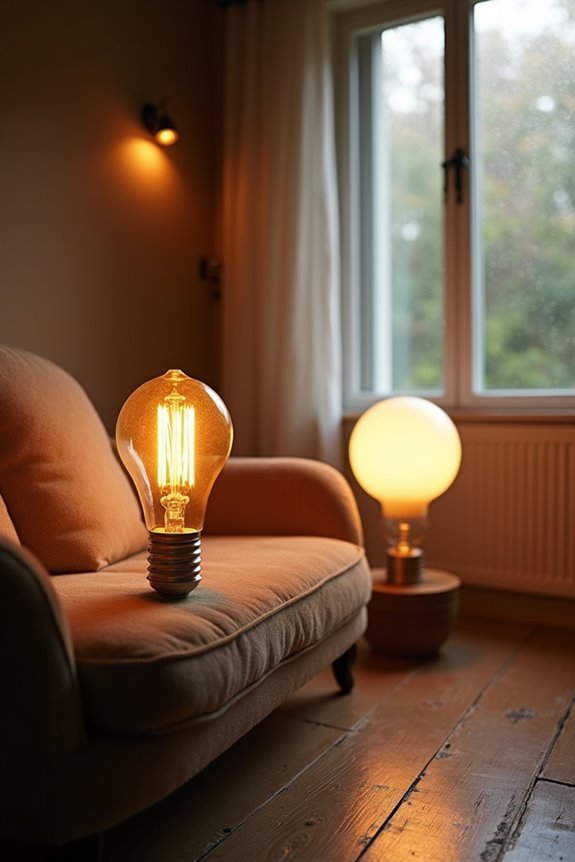
Ever wondered why your old incandescent bulb feels hot enough to burn your fingers, while an LED gives off barely any warmth at all? Here’s the thing: incandescent bulbs waste about 90% of their energy as heat, meaning they’re basically tiny heaters disguised as lights. LEDs, on the other hand, convert most of their power into actual light instead. So when you flip on a 60-watt incandescent bulb for an hour, you’re dumping serious heat into your room—we’re talking 216 kilojoules worth. That’s noticeably warmer than what an LED produces. If you’re trying to keep cool, switching to LEDs means lower energy bills and a more comfortable living environment without all that unnecessary heat output.


Top-Rated 5/6" Retrofit LED Downlight with Baffle Trim, Led Recessed Lights

How Light Position Affects Room Heat Distribution
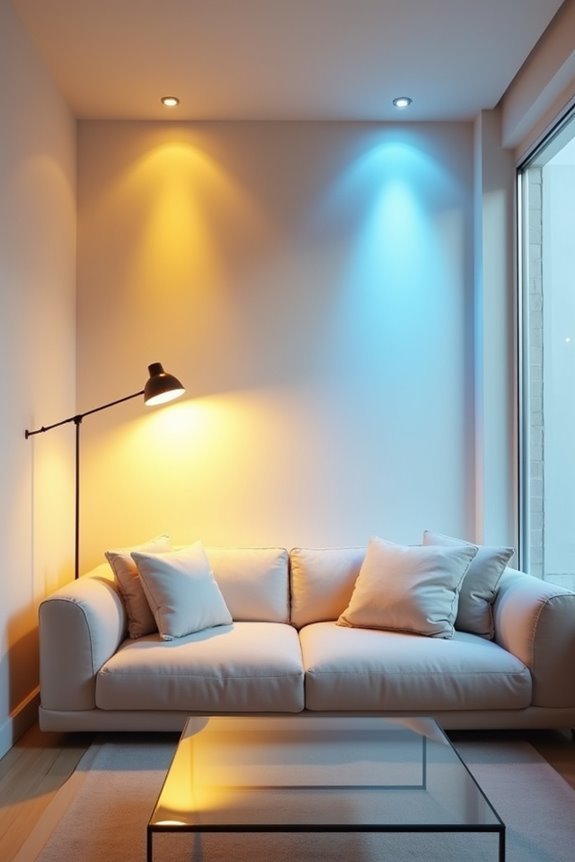
Where you place your lights actually matters more than you’d think—no, really—because a fixture stuck up in your ceiling pushes heat straight into that space above, while a lamp closer to your actual workspace creates a warm zone right where you need it (or don’t, depending on the season). Thinking about airflow alongside fixture placement helps significantly; if your light’s near a vent or window, you’re managing how warm air moves around your room, which can either spread heat evenly or let it pool awkwardly in one corner. Position your lights with your room’s layout in mind, keeping high-output bulbs away from where you sleep or relax so you’re not accidentally overheating yourself while trying to cool down.

[2 Pack 250W Heat Lamp Bulbs] Power: 250W, Style:spiral, Voltage: 110V-130V, Lifetime: >8000h, Socket: medium E26 standard base, Length: 4.85 inch / 12.3 cm, Diameter: 4.92 inches / 12.5 cm

BULBMASTER - This R40 Red Heat Lamp Bulb Reflector is a 250 Watts, 120 Volts, Red Heat Lamp With Infrared Light Medium E26 Base

Incandescent Spotlight Bulbs: These 150 Watt reptile bulbs are specifically designed to provide the heat light for reptiles, aiding in the reduction of chronic illness risk.
Fixture Placement and Airflow
How you position your light fixtures around a room matters regarding heat management. Placing lights high or in corners reduces hot spots that create discomfort. When you mount fixtures toward the ceiling rather than near seating areas, heat rises naturally and circulates better throughout the space.
Airflow plays an important role in heat control. Good ventilation around fixtures carries heat away, particularly in smaller rooms where space feels limited. Poorly ventilated spaces with fixtures positioned low near occupied zones feel noticeably warmer.
Heat Distribution Patterns
Think about what happens when you flip a light switch—the bulb doesn’t just brighten your room, it actually sends heat in different directions depending on where you’ve placed it. Ceiling fixtures heat the air above them, creating subtle convection currents that shift how warmth spreads throughout your space. Your bulb type matters tremendously here; incandescent bulbs dump roughly 90% of their energy as heat, while LEDs barely warm things up at all. That radiant output from an incandescent creates localized hot spots directly beneath the fixture, whereas modern bulbs distribute heat much more evenly. By understanding these heat distribution patterns, you’re basically learning to control invisible warmth currents. Dimming your lights or repositioning fixtures strategically lets cooler air flow freely, giving you real power over your room’s comfort.
Room Layout Considerations
Your room’s layout is the stage where your lighting does its job, and where you place those bulbs makes a difference in how heat spreads around. Overhead fixtures warm things fairly evenly, but recessed lights near walls create localized hot spots. When you position lamps near windows or vents, the ambient temperature shifts noticeably because the airflow interacts with that heat. Your lighting layout matters in cramped spaces, where concentrated task lighting makes certain zones warmer while others stay cool.
| Placement | Heat Effect |
|---|---|
| Ceiling-mounted | Even warmth |
| Wall-recessed | Localized hot spots |
| Near vents | Altered perceived warmth |
Strategic positioning with dimmers helps manage heat distribution without sacrificing comfort.
Dimmer Switches and Smart Lighting: Quick Heat Fixes
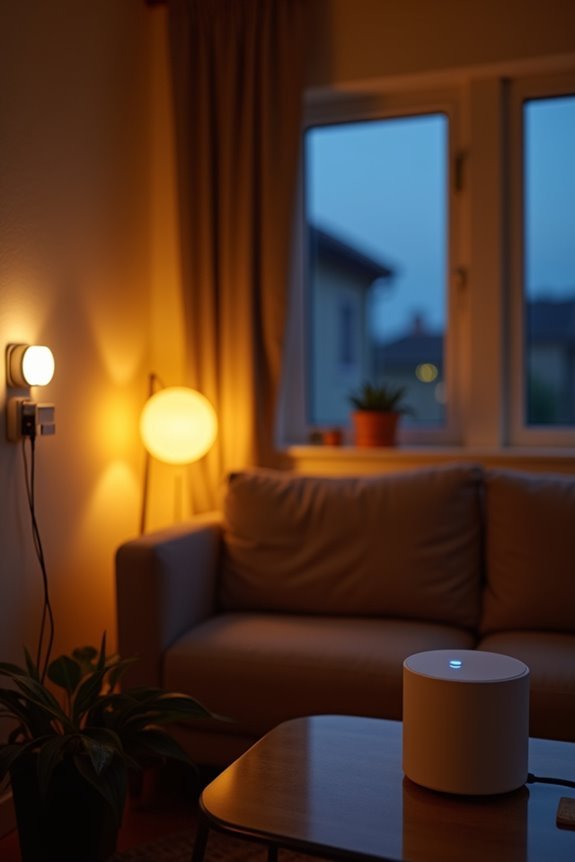
Want to knock down that unwanted warmth without sacrificing your lighting setup? Dimmer switches and smart lighting are your friends here. When you dim your lights, you’re actually lowering the electrical power reaching the bulb—less wattage means less heat, no really. If you swap those old incandescent bulbs for dimmable LEDs and pair them with a dimmer, you’ll notice a real difference in room temperature.
Smart lighting takes heat management further. You can schedule your lights to dim during peak heat hours or turn them off completely in rooms you’re not using. Your bedroom stays cooler during afternoon peak hours because your lights automatically adjusted themselves. It’s like having a personal assistant managing your comfort while you’re just living your life, keeping things pleasant without any extra effort on your part.

2700K Warm White Track Lighting : 2700K bright warm white, High output 500 lumen, Our gu10 c 120v 50w emit a nice even warm light for a cosy for beam angle of 40 degrees, providing comfortable illumination. The CRI up to 90 can restore the real color of the object, gu10 light bulb making the place where the light touches looks more colorfu

【Energy Efficiency】: EVELOR A19 LED light bulb is an energy-saving 9W (60W equivalent) bulb, saving up to 90% energy compared to traditional incandescent light bulbs 60 watt. The led lamp bulb is designed to be highly efficient, making it an ideal replacement for old-fashioned bulbs.Gift options for Christmas and other festivals.

ENERGY SAVING: Vgogfly 120v 25W led bulb have special LED filaments that consume only 3 watts worth of energy, while offering the equivalent of 25W of incandescent light bulb. Incandescent light bulb light about 1.5 hours, our fridge light bulb can light about 10 hours, and is therefore good for your energy bill
Natural Light: Your Best Temperature Management Tool
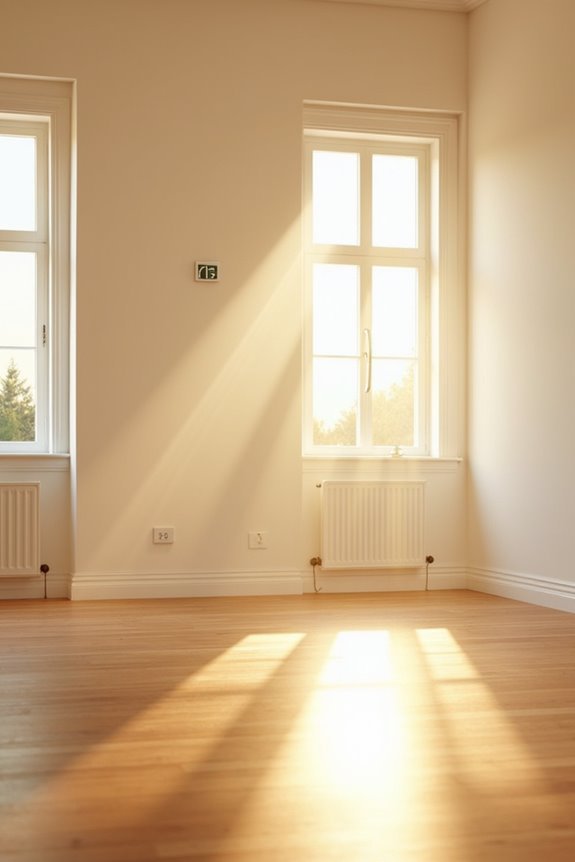
Why spend money fighting heat from artificial lights when the sun’s already doing the work for free? Natural light and daylighting aren’t just about visibility—they’re your strategic asset against indoor temperature problems. When you maximize natural light through smart window placement, you’re reducing your reliance on electric bulbs that generate unwanted heat gain. Letting sunlight flood your space during the day means you can use lower wattage lighting, which dramatically cuts down on heat production. Add complementary strategies like skylights and reflective surfaces, and you’re creating a cooler environment without extra effort. The sun does most of the heavy lifting. It’s the simplest way to keep your room comfortable while your wallet stays happy.

Ideal Quantity for Daily Use and Replacement: this gu24 CFL light bulbs package includes 2 pieces, ideal to cater for your daily needs and ideal for replacements, ensuring that you always have a spare bulb at hand, eliminating constant trips to the store

💡 Specifications - 18W 4 pin 2G11 lamp CFL with a warm white light output of 3000K and brightness of 1,250 lumens. Serviceable for up to 12,000 hours of average rated life. 9.75" overall length. 1-pack.

💡 Specifications - 18W 4 pin 2G11 lamp CFL with a warm white light output of 3000K and brightness of 1,250 lumens. Serviceable for up to 12,000 hours of average rated life. 9.75" overall length. 2-pack.
How Room Color and Surfaces Amplify Light Heat
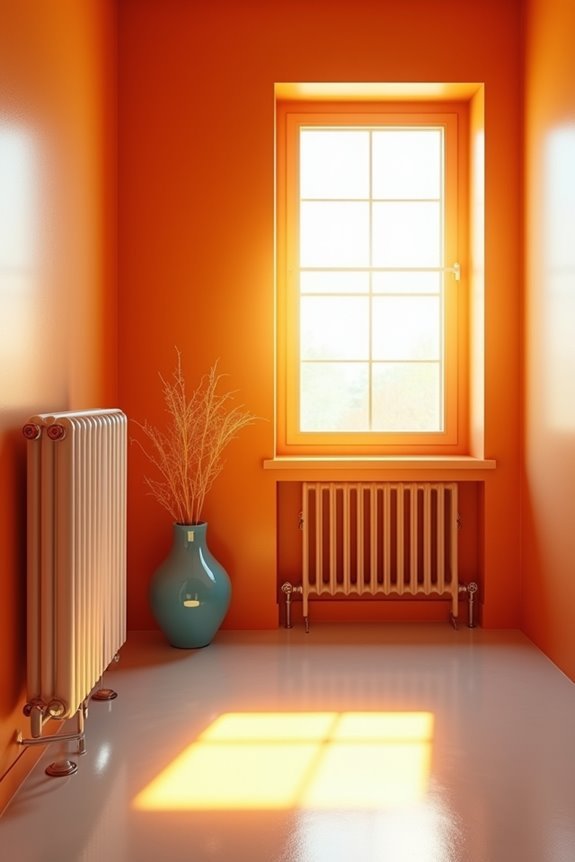
The walls in your room aren’t just sitting there looking pretty—they’re actually working with your lights to make heat feel stronger or weaker, depending on what they’re made of. Dark matte walls absorb light and heat, creating warm pockets near your fixtures, while light-colored, shiny surfaces bounce that warmth around, amplifying the heat effect throughout the space. Warm-colored walls paired with reflective ceilings and bright lighting create a noticeably warmer environment. Even your room color matters—warm tones intensify the feeling of warmth under warm-tinted bulbs. Before you blame your lights entirely, look around. Your surfaces might be the actual culprits intensifying that heat you’re feeling.

【Parameters】DiCUNO ProOE daylight white 5000k A19 LED bulb gives out high output of 806 lumen , equivalent to 60w incandescent bulb, saving 88% on your electricity bill of lighting. The rating voltage is 100 to 240 voltage. Lifespan is up to 25,000 hours, reducing the replacement cost and frequency.

Super Brightness with 1500LM – Use the latest advanced technology equipped with high lumens LED beads to make up of our a19 led bulbs, you will astonish how bright it is and love it. There are 4 color options – 2700K warm white, 3000K soft white, 4000K neutral white or 5000K daylight white, choose the color you like and enjoy the ambience lighting with your families at night

Excellent Performance - Brightever led light bulbs emit daylight white lighting at 4000K with a 360° beam angle by only using 6 watts, a perfect replacement for traditional 60W incandescent bulbs. With a high output of up to 600lms, these bulbs will instantly create a bright cool white glow, no delay, and no dark corners, great for you to enjoy the night. Amazingly, with such brightness, these daylight led light bulbs give out little heat, so you don’t need to worry about any danger of overheating.
Choose Cool Light for Hot Rooms (And Vice Versa)
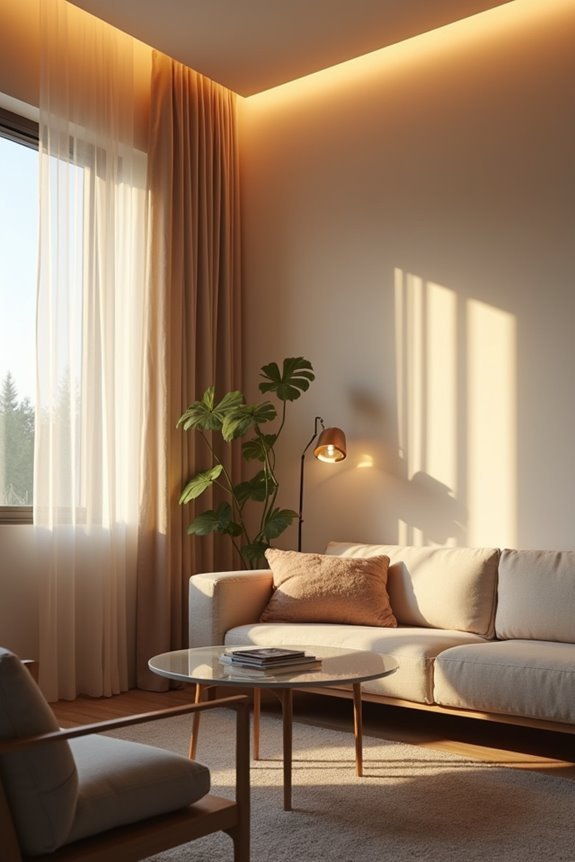
Your light bulb’s color temperature can actually trick your brain into feeling cooler or warmer, no matter what the thermostat says. When your room heats up quickly, swap warm bulbs for cool light sources—around 4000K gives you that crisp, revitalizing vibe that makes everything feel less stifling. LED brightness at these cooler temperatures works well because they emit way less radiant heat than old incandescent bulbs. Pair cool LEDs with dimmers to maintain great brightness without cranking up the heat output. Add decent airflow into the mix, and you’ve created a more comfortable space.

Wireless usb optical car mouse with headlight and fashion sport car design, cool gaming mouse for laptop computer,good choice for using or as gifts for kids,girls,women,men

SUPER BRIGHT SOLAR SPOTLIGHTS OUTDOOR: WENATY outdoor spot solar lights equipped with 30 high power LEDs, emit 6500k daylight with super bright light, so our solar landscape lights can bring ultra brightness(maximum 800 lumens) to your yard or garden. Perfect for front door, backyard, pool, driveway, walkway, tree, lawn, wall, plant, porch, fence, landscaping, flags, house illumination

ORIGINAL ARTWORK: Hand-drawn designs you won't find anywhere else. Our graphic t-shirts for men feature unique art — from trippy space vibes to nature scenes and anime-inspired prints.
Practical Steps to Cut Light-Related Heat in Your Home
Now that you’ve got the right bulbs and settings dialed in, let’s talk about actually putting these ideas to work in your home.
I’ve found these strategies work well:
- Switch to LEDs everywhere – they’re the most effective option for reducing heat, using way less energy than old incandescent bulbs
- Install dimmers on key lights – you’ll control brightness and heat simultaneously, cutting back when you don’t need full power
- Layer your lighting – use multiple smaller lights instead of one bright fixture, giving you flexibility
- Pair lighting with ventilation – open windows or use fans to push hot air out while your LEDs stay cool
Here’s the thing: you’re not sacrificing anything. You’re gaining control over your space, your comfort, and your energy bills. That’s a practical benefit on multiple fronts.
When Light Heat Actually Becomes a Problem
When does light heat actually start messing with your comfort? I’ve found it becomes a real issue in smaller spaces, like bathrooms or closets, where incandescence heat builds up quickly. You’re basically trapping warmth in a confined area—no, really. If you’re running multiple old bulbs simultaneously, that thermal load adds up fast. Summer’s the worst culprit; your air conditioning works overtime fighting against light-generated heat. But here’s the good news: LED efficiency changes everything. Modern LEDs dump way less heat than traditional bulbs, so you’re not battling your lighting system anymore. The bottom line? In tight spaces during warm months, switching to LEDs is a practical choice for keeping things comfortable without cranking the AC.
FAQ: Light Heat, Room Size, and Comfort
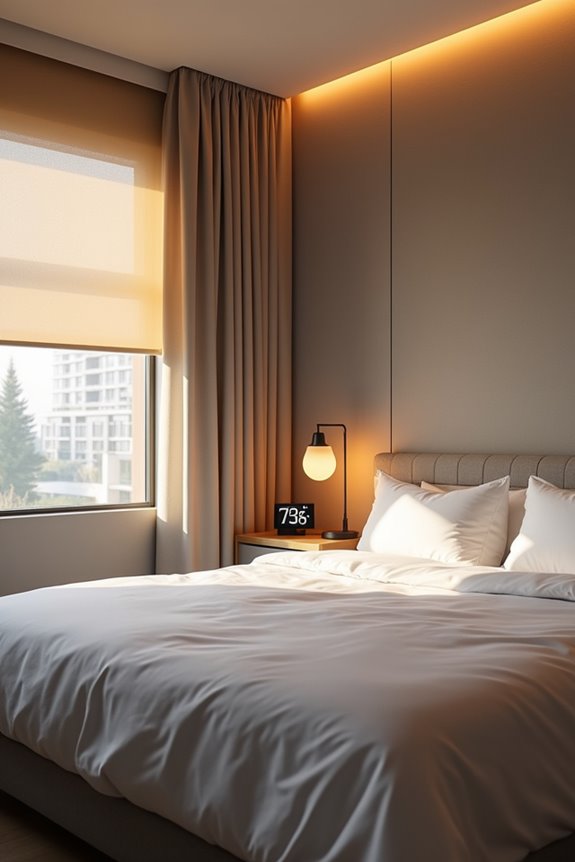
How much can a light bulb actually warm up a room, anyway? Well, I’ve got answers that might interest you.
- A single 60W incandescent bulb raises an 85 m³ room about 2.1°C in one hour
- LEDs produce far less heat thanks to superior LED efficiency, making them cost-effective
- Turning off lights does help, but the warming effect is negligible in most homes
- Room size, ventilation, and whether you’re stuffed with furniture all matter significantly
Here’s the thing—incandescents waste energy as heat, sure, but they’re not secretly turning your space into an oven. Switching to LEDs? That’s where you’ll notice real comfort improvements. Focus on LED efficiency first, then consider dimmers for extra control. This approach will deliver the results you’re looking for.