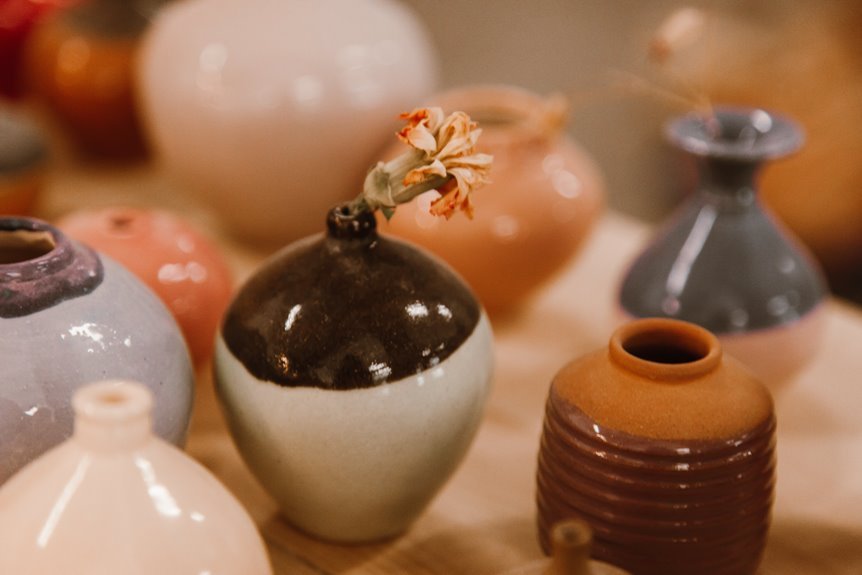
I’ll be honest—most standard acrylics just won’t stick to glazed ceramic, no matter how hard you try. But here’s the good news: epoxy-based paints like DuraPoxy and Behr 1-part epoxy grip those slick surfaces far better than anything else. DecoArt Glass Paint works great too, especially if you’re baking afterward.
The real approach? Sand that glossy surface first, then prime with something like Zinsser Bulls Eye 123. It sounds like extra work, but testing on a spare piece before tackling your whole project prevents disaster. Stick around to discover which finish actually holds up best.
Why Glazed Ceramic Surfaces Reject Standard Acrylics
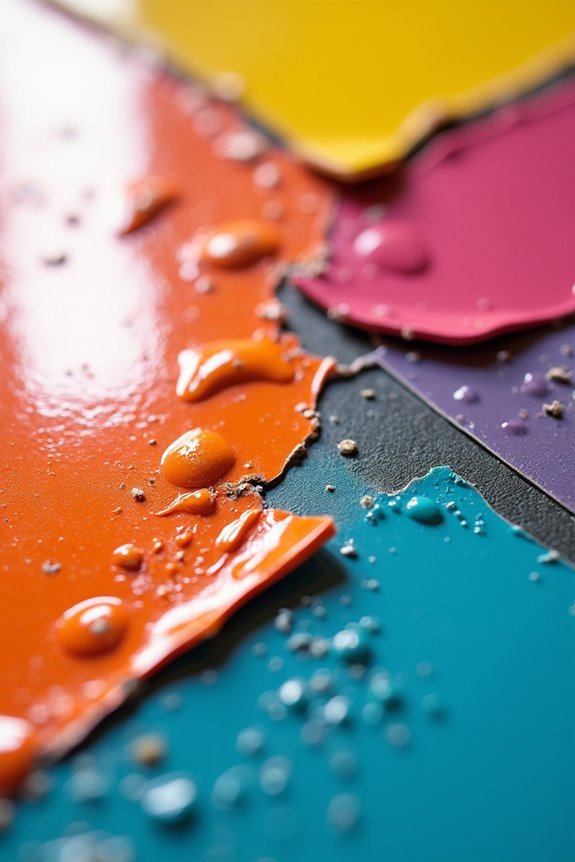
When you apply acrylic paint to a glazed ceramic surface, here’s what happens: it’ll look fine for a while, then start peeling off like old sunburned skin. I’ve learned this the hard way, and I’m not alone—glazed ceramics are basically paint’s worst enemy because that smooth, shiny glaze repels moisture and creates zero grip for acrylic adhesion. The glaze acts like a protective barrier, which is great for the ceramic but terrible for your paint job. Even when I’ve tried adhesion primers like Zinsser Bulls Eye 123, results stay unpredictable across glazed ceramics. Here’s the thing: acrylic paint needs a porous surface to bond properly, and glazed surfaces just don’t offer that. You’re fighting chemistry itself, honestly.

PROFESSIONAL QUALITY PAINTS: Our premium, water-based paints come in rich transparent and opaque shades with either glossy, shimmery, pastel or chalkboard finishes for decorating porcelain; Lasting quality with a distinct creamy, enameled look

One-Coat High Gloss Finish – Achieve a brilliant, glass-like finish in just one coat—no need for multiple layers or reapplications.
Preparation Methods: Sanding, Priming, and Surface Cleaning
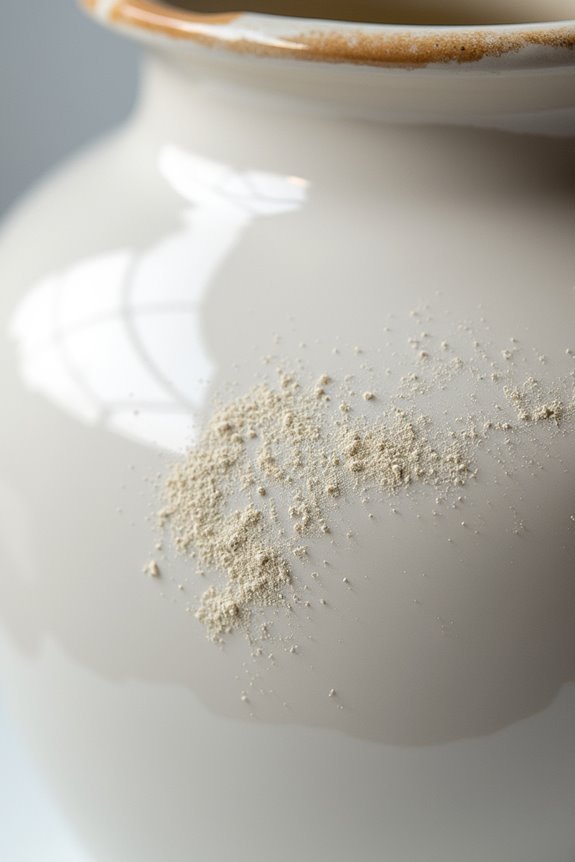
So how do you actually get paint to stick to something that’s literally designed to repel everything? The answer lies in three straightforward steps: sanding, priming, and surface cleaning.
First, grab some sandpaper and roughen that glossy surface—it creates tiny hooks for paint to grip. Next, wipe everything down with an alcohol wipe; you’d be surprised how much oil and dust accumulates. Then comes priming. Zinsser Bulls Eye 123 works well and improves adhesion while letting you control whether you want a matte or satiny finish. Before tackling your whole project, test these steps on a small piece first. Destructive testing saves headaches later.

【Knitted Fabric Net/Mesh】The mesh sanding disc is designed for virtually dust-free sanding. Unlike traditional sanding discs, it has an open mesh structure that is highly resistant to clogging. The disc features thousands of mesh matrix vacuum holes that can remove 95%-99% of dust. The mesh design not only helps create a clean working environment, but also provides a better finish and a more comfortable sanding experience.

SKIP THE PREP, KEEP THE WEEKEND — No sanding, no primer, no topcoat. Clean the surface, paint, done. Self-priming and self-finishing formula bonds directly to furniture, cabinets, wood, MDF, and laminate in just two coats.

P600 Grit Precision Fine Finishing Power: Ideal for sanding between coats, removing light oxidation, or prepping surfaces for paint/clear coat adhesion. Automotive Clarity: Smooth clear coat edges, polish alloy wheels, or prep trim for vinyl wraps without over-sanding.
Epoxy-Based Paints: The Adhesion Leader for Glazed Ceramics
I’ve tested epoxy-based paints on my glazed ceramic surfaces, and they’re your best bet for making paint actually stick where acrylics fail—the difference is noticeable. What sets epoxy apart is its built-in durability; products like DuraPoxy or Behr’s 1-part epoxy options are specifically designed for cabinet-grade work, meaning they’re tested to handle the wear and tear that’ll eventually come your way. That said (and this matters), even epoxy’s strong adhesion won’t save you if you skip the prep work—you’ll still need solid priming, careful sanding, and honest destructive testing before you commit to your whole project, because a glossy glaze surface remains tricky territory no matter how tough your paint claims to be.

Designed for interior and exterior surfaces
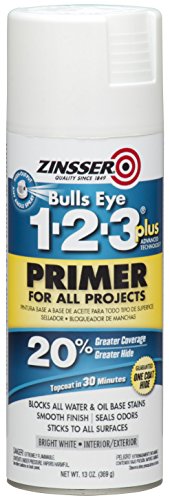
Interior/exterior use on new or previously painted Drywall, concrete, wood, masonry, metal and glossy or difficult surfaces

Interior/Exterior use on new or previously painted drywall, concrete, wood, masonry, metal and glossy or difficult surfaces
Superior Adhesion Performance
The adhesion-challenge puzzle that stumps so many DIYers actually has a pretty solid answer: epoxy-based paints. I’ve found that epoxy coatings outperform other options when it comes to sticking to glazed ceramic surfaces. Here’s what makes them stand out:
- They create stronger bonds than acrylics, resisting scratches and wear far better
- They grip glazed surfaces with superior adhesion, even on tricky, slick finishes
- They maintain durability longer, meaning your ceramic work stays protected
Now, I won’t sugarcoat it—you’ll still want to test first and prime properly. Different glazes behave differently. But across community testing, epoxy consistently wins the adhesion battle. When you’re tackling glazed ceramic projects, choosing epoxy coatings is the right approach.
Cabinet-Grade Durability Testing
Now that we’ve established epoxy’s winning track record for sticking to glazed ceramics, let’s see how it actually holds up over time—because honestly, adhesion means nothing if the paint starts peeling off your cabinets after a few months.
I’ve tested epoxy-based paints against acrylics on glazed surfaces, and the difference is clear. Epoxy wins for scratch resistance and durability, especially when you prime first. Primers like Zinsser Bulls Eye 123 boost adhesion to gloss glaze significantly.
| Paint Type | Adhesion | Scratch Resistance | Cabinet Use |
|---|---|---|---|
| DuraPoxy | Excellent | Superior | Ideal |
| Behr 1-Part Epoxy | Strong | Excellent | Recommended |
| Acrylic (any form) | Poor | Weak | Not suitable |
| With priming for glaze | Enhanced | Improved | Better results |
| Two-part epoxy | Best | Exceptional | Gold standard |
Epoxy-based paints deliver cabinet-grade durability you can rely on.
DecoArt Glass Paint for Glazed Ceramic Surfaces
Ever wondered why some paints just slide right off your glazed ceramic mug like water off a duck’s back? DecoArt Glass Paint changes that frustrating situation entirely. I’ve found this product to work well for glazed ceramic surfaces, and here’s why it’s effective:
- Strong adhesion on smooth, glazed finishes with a broad color selection
- Dishwasher-safe results when you bake the painted piece (yes, it works)
- Minimal prep required—just an alcohol wipe and you’re ready to create
The painting process is straightforward; I typically apply two coats of base color for full coverage, then add my chosen hue. Light pencil sketches help guide your design and erase cleanly afterward. You’re not just painting—you’re using a product that makers rely on to bring their ceramic visions to life, permanently.

DecoArt Glass Paint in ideal for glass and ceramics.


Perfect for Glass & Glazed Ceramics: Formulated specifically for slick surfaces, DecoArt Glass Paint adheres flawlessly to glass and glazed ceramics without sliding or streaking. The self-leveling formula ensures minimal brushstrokes and professional results every time
Acrylic Paint on Glazed Ceramics With Primer
Acrylic paint can work on glazed ceramics, but proper preparation is necessary to prevent peeling. Priming is the key step. A primer like Zinsser Bulls Eye 123 significantly improves adhesion between the glaze and acrylic paint. Sanding the glaze surface beforehand helps with adhesion as well.
Even with primer, flat acrylics may not perform reliably on glazed ceramics. Satin finishes are more dependable once adhesion is established. Test your specific primer-and-paint combination on a hidden area first to verify durability before committing to the full project.

【Acrylic Formula】Our tub paint boasts an advanced water-based acrylic formula designed for durability and longevity. The high-quality acrylic resin ensures a strong, resistant finish that combats flaking and wear, providing a lasting transformation for your tiles

【Construction Kit】Our all-inclusive tub and tile refinishing kit provides essential tools for both beginners and experienced individuals. With user-friendly design and easy operation, our bathtub kit enables anyone to successfully complete construction projects for home improvement or commercial purposes.

【Construction Kit】Our all-inclusive tub and tile refinishing kit provides essential tools for both beginners and experienced individuals. With user-friendly design and easy operation, our bathtub kit enables anyone to successfully complete construction projects for home improvement or commercial purposes.
Two-Part Epoxy Topcoats for Long-Term Protection
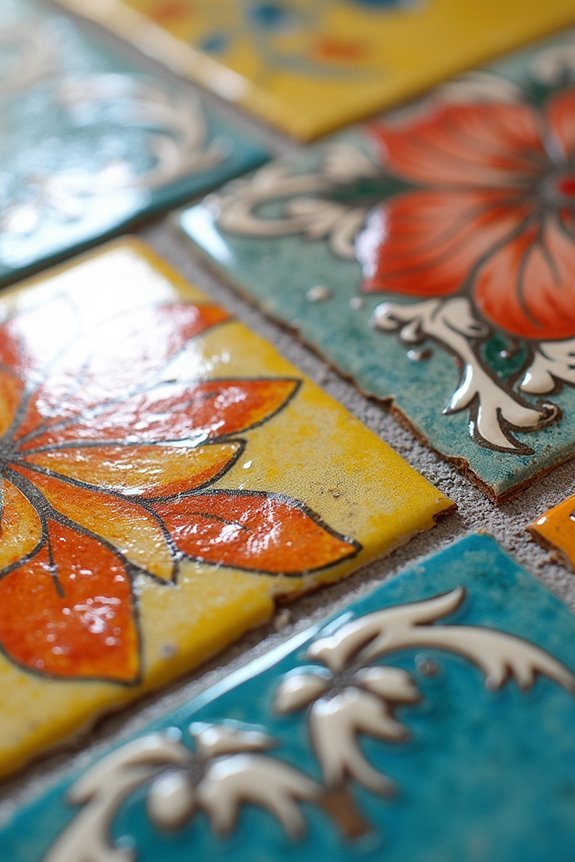
If you’ve tested acrylic paint with primer and you’re still worried about peeling—especially on a glazed ceramic piece you really care about—two-part epoxy topcoats might be your answer. I’ve found that epoxy topcoats create water-resistant finishes that actually hold up, even when your painted bisque sits in water constantly.
Here’s what makes epoxy work where other options fail:
- Superior glazed ceramic adhesion through chemical bonding rather than surface sitting
- Water resistance that prevents blanching or peeling from moisture exposure
- Durability that tackles surfaces where acrylics simply can’t grip
The key? Proper surface prep and isolation coats maximize how well epoxy sticks to your glazed pieces. It’s that foundation work that creates a durable, long-lasting protective layer—not a temporary solution.
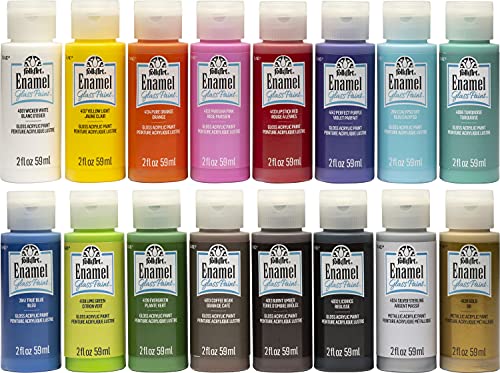
CONVENIENT SIZE - This enamel acrylic paint set includes 16 - 2 oz bottles of enamel craft paint. The colors in this paint set include: Wicker White, Yellow Light, Pure Orange, Parisian Pink, Lipstick Red, Perfect Purple, True Blue, Calypso Sky, Turquoise, Lime Green, Evergreen, Coffee Bean, Burnt Umber, Licorice, Silver Sterling, and Gold

✔【Wide Range of Applications】The COLORFUL stain glass paints set can be used on various transparent surfaces, including but not limited to glass, wine glasses, porcelain, ceramics, gallery, glassware, enamel, and windows etc.

Underglazes are a staple for many ceramic artists and can be applied to wet clay, greenware, or cone 04 bisque.
Epoxy Alternatives: ProClassic and DuraPoxy for Ceramics
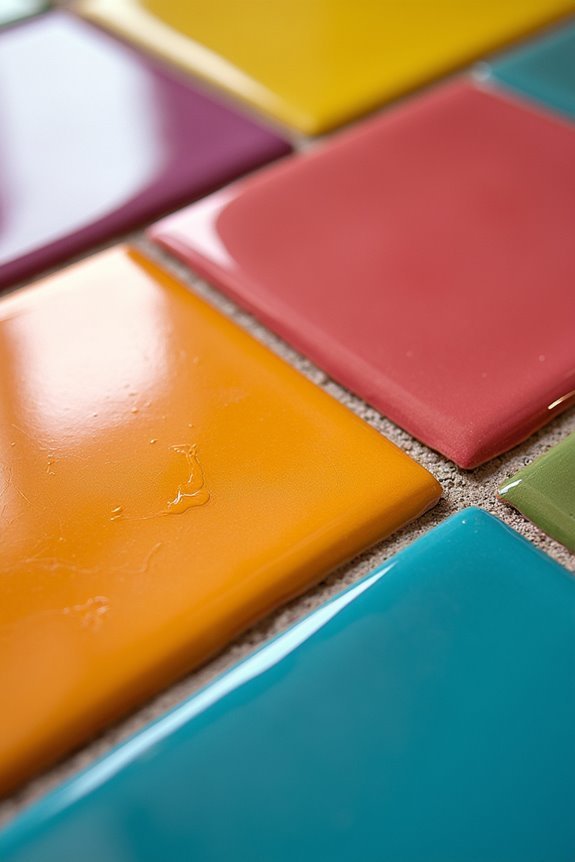
When you’re looking beyond standard two-part epoxy, you have solid options that tackle glazed ceramic in their own ways. DuraPoxy stands out as the preferred choice for cabinet work, delivering durability that lasts. ProClassic, its main competitor, brings epoxy strength to the table too, though it sometimes struggles with flat finishes and brushability—which matters if you care about application quality. Here’s the point: both outperform acrylics when it comes to abrasion resistance on glossy glazed ceramic surfaces. I’d recommend sanding first and testing small spots before committing fully. Results vary depending on your specific glaze type, so prep work upfront saves frustration later. You’re investing in protection that holds up.
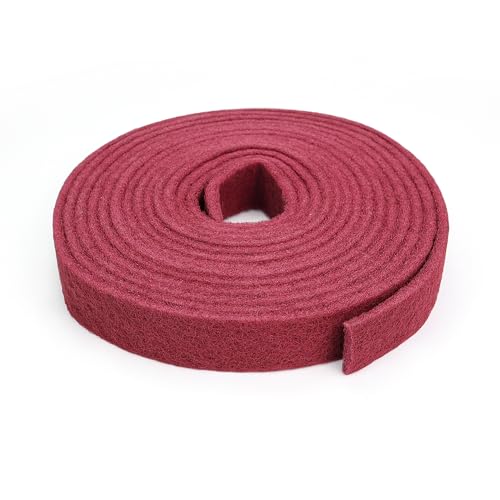
【Premium Quality】High-performance maroon scuff pads with 320 grit aluminum oxide abrasive, ideal for fine finishing on flat, contoured, or hard-to-reach surfaces.

【Knitted Fabric Net/Mesh】The mesh sanding disc is designed for virtually dust-free sanding. Unlike traditional sanding discs, it has an open mesh structure that is highly resistant to clogging. The disc features thousands of mesh matrix vacuum holes that can remove 95%-99% of dust. The mesh design not only helps create a clean working environment, but also provides a better finish and a more comfortable sanding experience.

ADHESIVE BACKED SANDPAPER: Benchmark Abrasives 6 inch sanding disc sandpaper with adhesive backing is perfect for a wide range of applications like blending, rust removal, deburring, sanding, stripping primer and paint, etc. The sandpaper for metal surfaces and other types of surfaces blends, sands, deburrs, and more with ease and precision.
Run Adhesion Tests Before Full Application
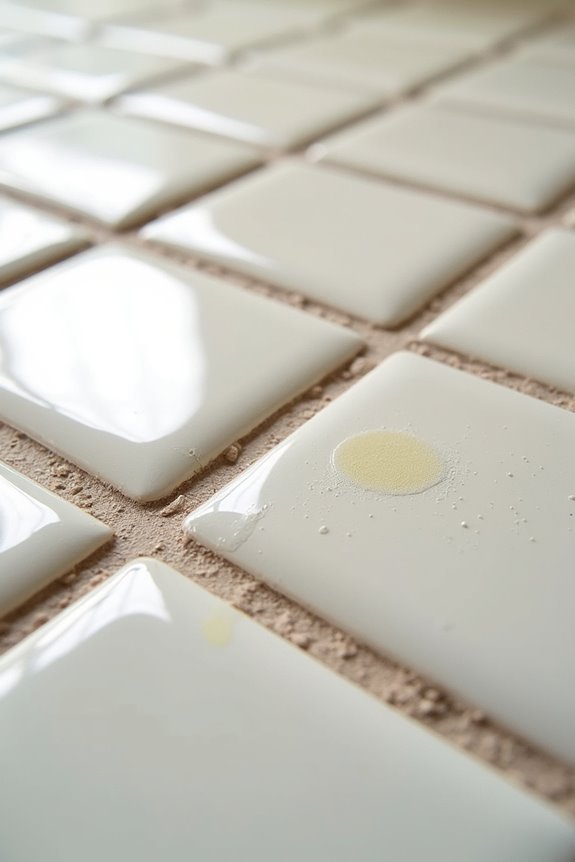
Now that you’ve got your paint picked out—whether that’s DuraPoxy, ProClassic, or something else entirely—here’s the thing I’ve learned the hard way: you’ve got to test before you paint the whole piece.
I won’t sugarcoat it: acrylics often peel right off glazed ceramic without proper prep. That’s why adhesion testing matters so much. Here’s what I recommend doing:
- Paint small test patches on spare glazed ceramic pieces using your chosen paint and primer
- Let samples cure fully, then try peeling or scratching to see if paint holds
- Test different primer combinations—Zinsser Bulls Eye 123 works well—to find what bonds best
Spending an afternoon on adhesion testing beats ruining your finished piece later. This is a practical step that prevents costly mistakes down the road.

Interior/exterior use on new or previously painted drywall, concrete, wood, masonry, metal and glossy or difficult surfaces

Super tall can spray coats the surface in fewer passes for faster project completion
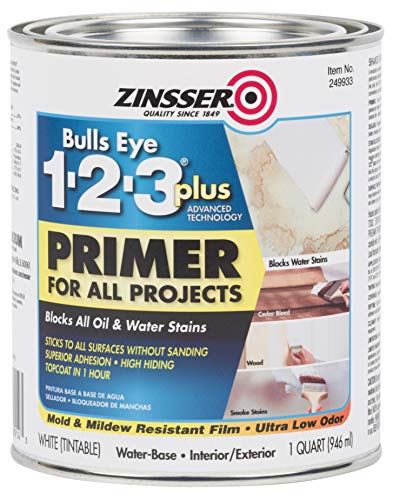
The product is QT INT/EXT LTX Primer
Avoid the Top Adhesion Failures on Glazed Surfaces
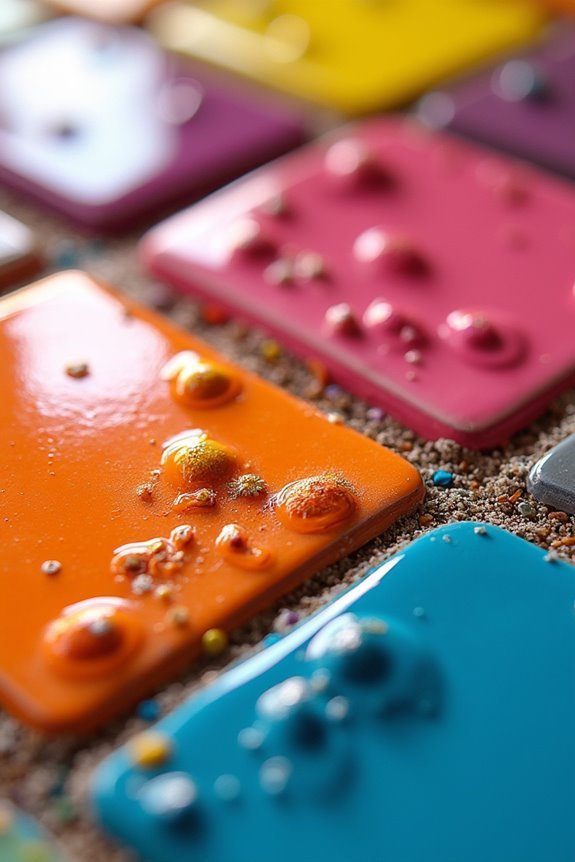
Even with the best primer and paint combo, glazed ceramic surfaces present challenges that can compromise your entire project, and I’ve witnessed this occur repeatedly. The primary issue? Skipping adhesion testing before full application, which I learned through experience. Flat finishes crack and peel quickly, while water-based topcoats blister if your piece holds liquid. Epoxy topcoats offer better durability than standard options, but even glaze primers cannot guarantee permanent results without proper surface preparation. High-flow acrylics and thinned coatings fail adhesion regularly because glaze’s slick surface resists bonding. Before committing your artwork, always test small areas first. This prevents frustration, reduces costs, and avoids potential disappointment later.

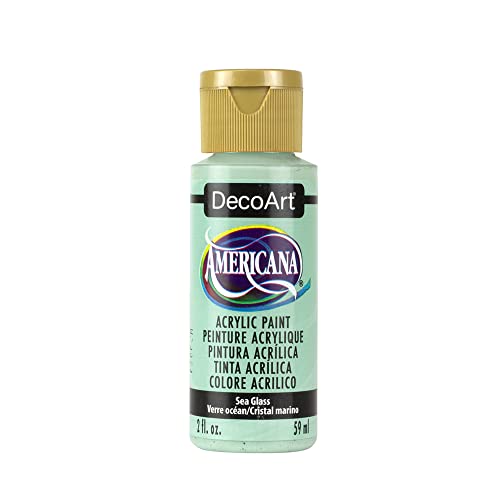
This product is Non-toxic

Perfect for Glass & Glazed Ceramics: Formulated specifically for slick surfaces, DecoArt Glass Paint adheres flawlessly to glass and glazed ceramics without sliding or streaking. The self-leveling formula ensures minimal brushstrokes and professional results every time
Functional vs. Decorative: Choosing Your Finish Type
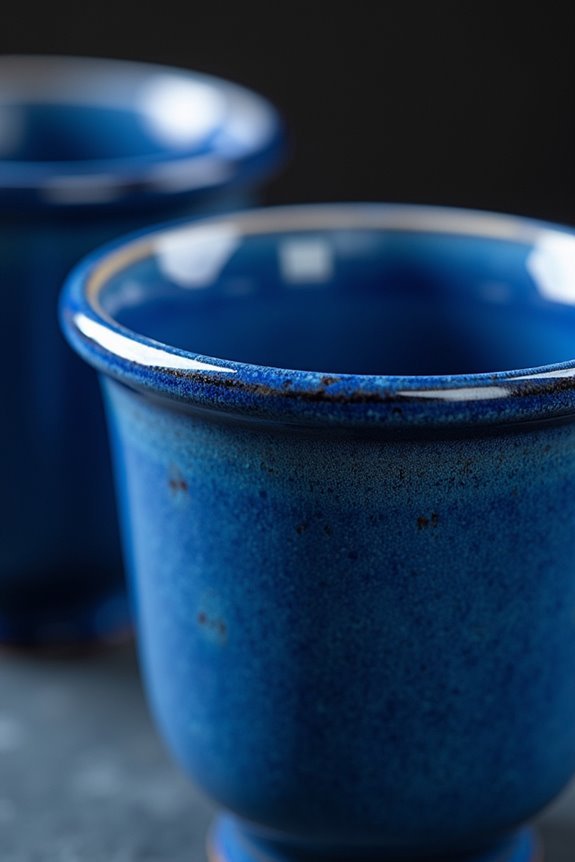
How’s your painted ceramic piece actually going to live in the world—sitting pretty on a shelf or getting regular use in the kitchen?
Decorative pieces and functional items need totally different approaches. For display-only ceramics, you’ve got more freedom—epoxy topcoats work well for durability without major stress. But functional items? That’s where adhesion really matters because they’ll face water, heat, and constant handling.
Functional ceramics demand strong adhesion—decorative pieces give you freedom to experiment with finishes like epoxy.
Consider your piece’s future:
- Decorative pieces – epoxy finishes boost durability
- Kitchen items – skip coatings that might blister or peel from moisture
- Display ceramics – priming still helps, but stakes are lower
Knowing your ceramic’s job determines everything about which paint sticks best and lasts longest.

High Adhesion & Durability – Single-component formula bonds well to challenging surfaces, providing long-lasting protection in high-humidity areas.

🖽[ECONOMICAL] Sized 10"x10" with grout; the tiles do not yellow or crack over time.

GROUT PEN IN A CAN: Same great formula as GROUT PEN now available in a 4.2oz can for larger projects (paint brush not included)