
Start by turning off the power and tightening your bulb clockwise—it’s the culprit more often than you’d think. If that doesn’t work, try swapping in a fresh bulb to rule out a faulty one. Now, here’s the thing: if you’ve got a dimmer switch in that room, LED bulbs sometimes clash with older dimmers, causing flicker. Test this by replacing your LED with an incandescent bulb and dimming it; if it runs smoothly, your dimmer needs an LED-compatible upgrade. But stick around, because there’s more to uncover about when you really need professional help.
Tighten or Replace the Bulb: Your First Troubleshooting Step
Why do lights flicker anyway? Usually, it’s something simple like a loose bulb or a bad electrical connection inside your light fixture. The good news? You can probably fix this yourself in minutes.
Start by turning off the power and letting the bulb cool if it’s warm. Then, tighten the bulb by turning it clockwise until it’s snug—no, really, this solves flickering more often than you’d think. If that doesn’t work, remove the bulb completely and reseat it firmly to maintain proper bulb contact with the socket.
Test your light after reseating. Still flickering? Try replacing the bulb with a different one to rule out a faulty filament. This simple bulb troubleshooting often eliminates the problem quickly. If these steps don’t fix your flickering lights, you’ll need to inspect deeper electrical connections in your light fixture.

THE GOLD STANDARD IN DIMMING: Lutron’s advanced technology provides smooth LED dimming used for everyday light bulbs to reduce flicker, buzz, and delay to enhance comfort and ensures consistent dimmer switch reliability across LED lighting

【Universal Power Adapter】-Input: AC 100~240V, 50/60Hz;Output: DC 12V 2A/24W Max(Power);Meiyue power supply compatible with devices with current below 2A(such as 150mA, 200mA,300mA, 500mA,1A,1.5A,2A). And the polarity of this adapter is:inside(+),outside(-). DC Connector Size: 5.5mm*2.1mm.
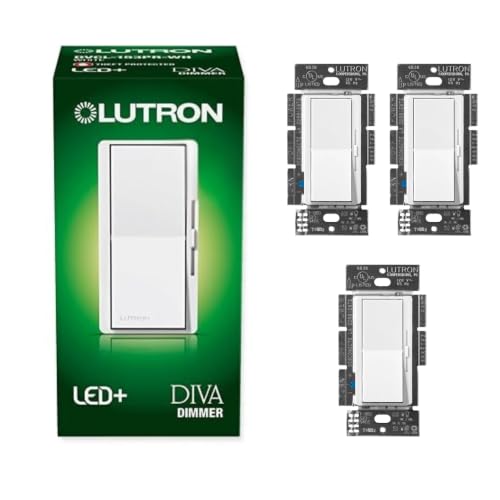
THE GOLD STANDARD IN DIMMING: Lutron’s advanced technology provides smooth LED dimming used for everyday light bulbs to reduce flicker, buzz, and delay to enhance comfort and ensures consistent dimmer switch reliability across LED lighting
Check Dimmer Compatibility and Voltage (Why LEDs Flicker More)
If you’ve tightened and replaced your bulbs but the flickering persists, especially in a room with a dimmer switch, you’re probably looking at a compatibility issue, not a broken fixture.
Persistent flickering with a dimmer switch? It’s likely a compatibility issue between your older dimmer and modern LED bulbs, not a broken fixture.
Here’s what’s happening: older dimmer switches weren’t designed for modern LED bulbs. Your legacy dimmer uses leading-edge chopping technology that clashes with low-power LED drivers, causing that annoying pulsing or buzz. The fix? Try this simple test:
- Replace your dimmable LED with an incandescent bulb
- Dim the switch and observe—if it works smoothly, your dimmer’s the culprit
- Upgrade to an LED-compatible dimmer (look for “LED” or “CL” labels)
Modern LED-compatible dimmers eliminate voltage fluctuations and flicker entirely. Switching dimmer types will improve your lighting immediately.

[Universal Bulb Compatibility and Creative Applications]: This versatile E26/E27 lamp holder supports diverse lighting solutions from energy-efficient bulbs to classic incandescent options. Beyond everyday use, it serves as an excellent Christmas lamp holder for seasonal decorations and pairs wonderfully with handmade e27 lamp holder pottery creations. The adaptable design makes it suitable for creating custom lighting fixtures with wick-style accents.
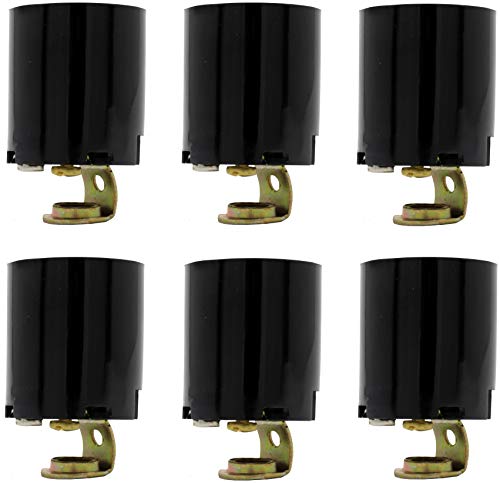
📦 Pack of 6: Creative Hobbies Item# ELT5561A Medium base E26, keyless lamp sockets provide great value in one package.

UL Listed and porcelain Construction, ensuring a high level of safety and reliability for both residential and commercial applications.Rated for 660 watts maximum and 250 volts.
Is One Light or Your Whole Circuit Flickering?
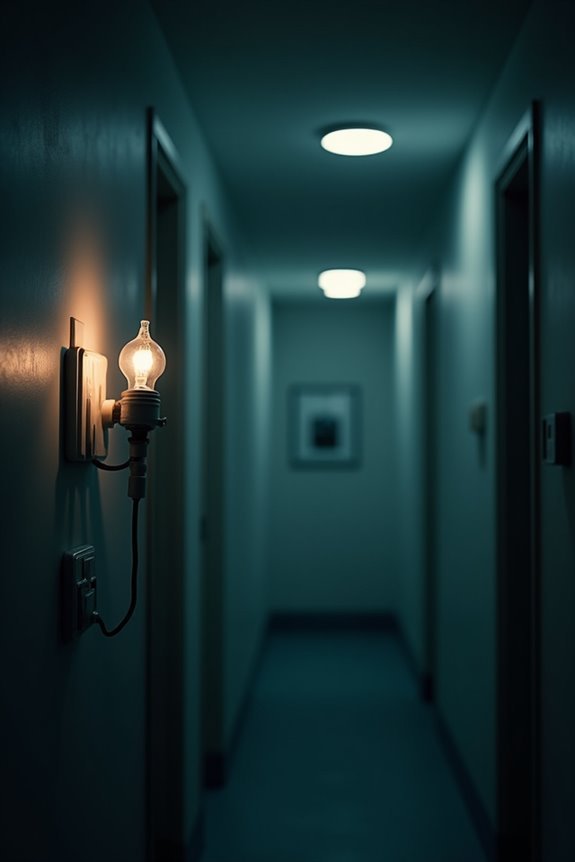
The location of your flicker tells you almost everything you need to know about what’s actually going wrong. If just one light is flickering, you’re likely dealing with fixture-specific issues like a loose bulb or loose wiring at that particular spot. But when your whole room flickers together? That’s different—and honestly, more concerning. You might have an LED-compatible dimmer problem, circuit overload, or inrush current from an appliance startup. A single fixture flicker often means reseating the bulb fixes it, no, really. However, widespread flickering requires attention; loose wiring or dimmer compatibility issues throughout the room need professional electrician evaluation to prevent safety hazards. Knowing whether one light or everything’s affected completely changes your troubleshooting path forward.

1: NATURAL WHITE LIGHT 6000K-A brighter and more uniform white light with the feature of glare-free can be provided by these led G9 light bulbs that the normal 60W halogen bulb cannot achieved. Non-flickering light prevents eye fatigue, and creates a comfortable and relaxing atmosphere. No lead or mercury, No uv or ir radiation.


120 LED High Brightness: Equipped with 120 high-brightness LED beads, the PACOVY floor lamp delivers a powerful 18W / 1800-lumen output, providing brightness equivalent to a traditional 120W bulb while saving up to 85% energy. This led floor lamp effectively illuminates the entire workspace, making activities such as working, reading, crafting, sewing, beauty treatments, nail art, tattooing, and puzzles easier and more enjoyable
Red Flags: When to Call an Electrician Before It’s Too Late
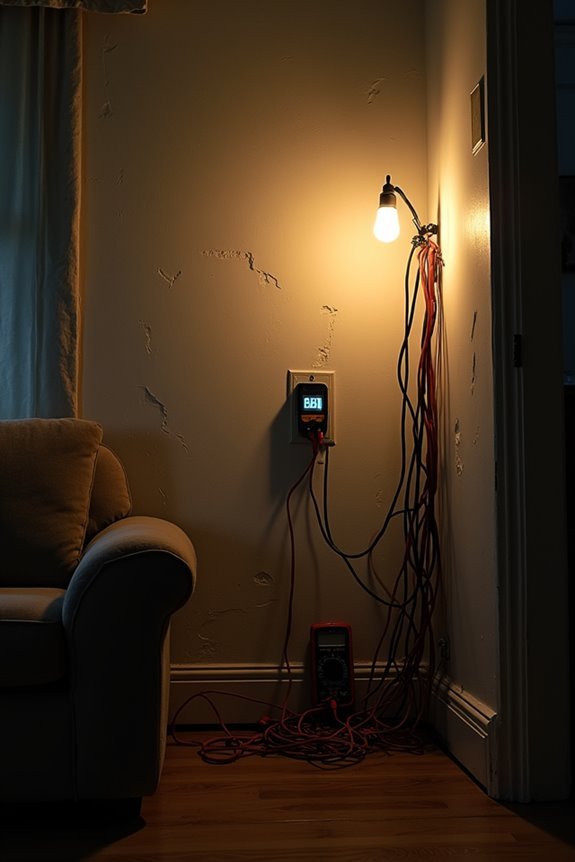
When should you stop troubleshooting and pick up the phone instead? Some warning signs demand immediate professional help. Certain red flags mean you shouldn’t DIY this situation.
- Danger signals requiring urgent attention: burning smells, buzzing from your electrical panel, sparks, or scorching around outlets—these indicate arcing issues that could spark fires.
- Overload indicators: flickering lights in one room when high-draw appliances start, or frequent breaker trips suggest dangerous voltage drop and circuit overload.
- Persistent problems: if flickering continues after bulb replacement or multiple fixtures flicker together, you’re facing potential safety hazards needing professional assessment.
When smoke appears or warmth radiates from outlets, that’s your cue to call an electrician immediately. Your home’s safety matters most.

CONVENIENT – an easy way to create a big impact for a minmal cost and customize the light level in any room, for any occasion and in any home

Toggle switch turns LED lights on/off to favorite light level. Small slider dims and brightens the light bulbs

CONVENIENT - an easy way to create a big impact for a minimal cost and customize the light level in any room, for any occasion and in any home
What Comes Next: Professional Diagnosis and Prevention
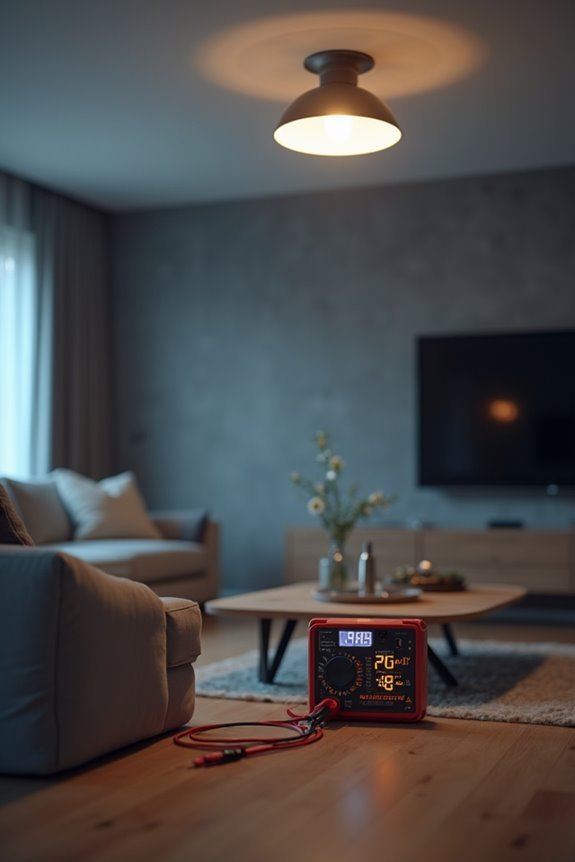
So you’ve tried the easy fixes, and your lights are still flickering—now what? Time to call a licensed electrician who can safely handle the real detective work. I recommend professional diagnosis when flickering persists, because a qualified electrician inspects for loose wiring, checks your circuit overload situation, and evaluates voltage levels entering your home. They’ll de-energize circuits properly, maintaining electrical safety throughout the process. Sometimes the issue traces back to your service upgrade or main connection at the meter box—no, really, that’s where problems hide. For prevention, map your circuits and distribute high-draw appliances to dedicated breakers. Many electricians offer service discounts and whole-home surge protector promotions, keeping maintenance affordable. Taking action now prevents hazards and keeps your lights shining steadily.

Energy-saving, high-performance LED bi-pin pendant light replacement replicating a 35 watt low-voltage bi-pin.

【800% Brighter Than Halogen Bulb】 Sealight is equipped with a 3030 high-performance light bulb chip. 6000K super bright white light. 360 ° lighting angle, no dark spots, and huge brightness. Bring pure white and ultra bright light output to your car.

【300% Brighter】194 led bulb has 3030 SMD LED chips, with high illumination and perfect beam pattern, supporting 6000K white super bright light output. 360°Lighting angle and No dark spot. You can easily find misplaced items in your car at night. Working Power: 2.5W; Working Volts: 12V-24V.