
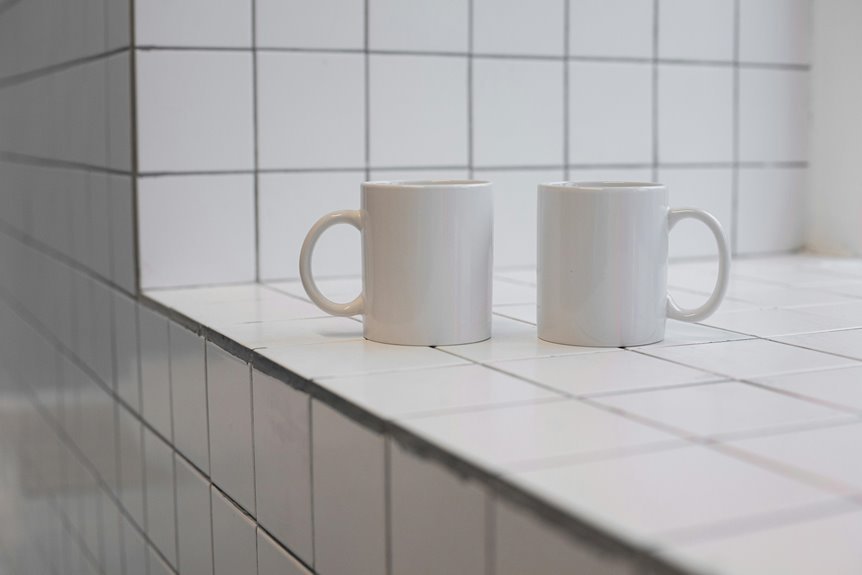
Ceramic floor tiles should be 8–12 mm thick to handle foot traffic and dropped objects, while wall tiles can get away with just 6–10 mm since they’re not bearing weight. Thicker tiles feel more substantial underfoot and resist cracking better, but they cost more to install and need stronger adhesive. Porcelain—being denser and harder—often runs on the thicker end.
Your best bet? Match the tile thickness to how much abuse that room will take, then plan your underlayment accordingly, because there’s actually quite a bit more to consider about substrate and grout spacing.
Standard Ceramic Tile Thickness Ranges
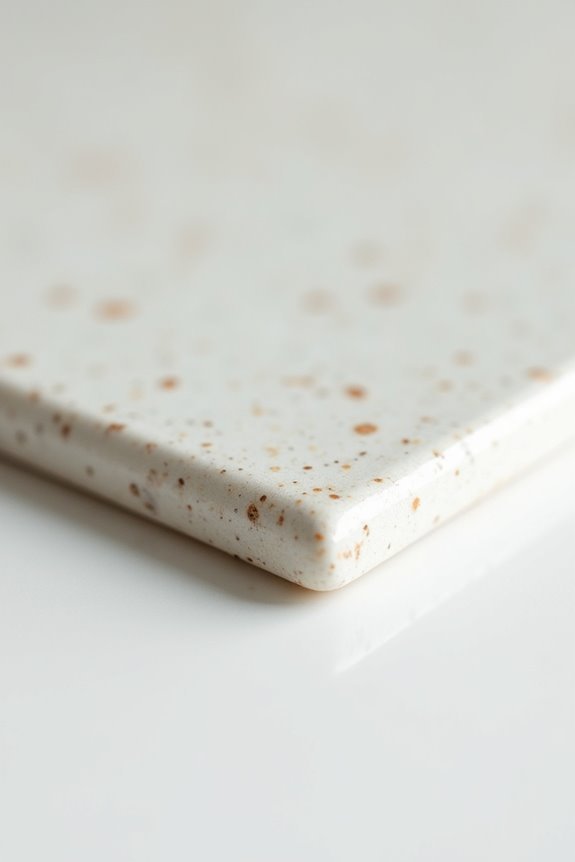
When you’re selecting ceramic tiles for your home, thickness matters more than you might think—and here’s the thing: there’s actually a fairly simple range you’ll encounter. Wall tiles typically run 6–10 mm thick, which is standard. Floor tiles, though, need more durability, so they usually measure 8–12 mm. Now, if you’re working with porcelain tile (the tough cousin of ceramic), expect similar ranges, sometimes on the thicker end. This is where it gets interesting: if you’re mixing floor tiles with wall tiles in the same space, you’ll want to consider underlayment to keep everything level and prevent those awkward transitions. Planning ahead saves headaches later. Thicker tiles perform better in busy areas, offering real durability and reliability.

Includes 12 Pieces per Case | 5.16 Square Ft. Per Case | Case Weight 34.8 lb |TILE SIZE: 8 in. W x 8 in. L x 0.55 in. T
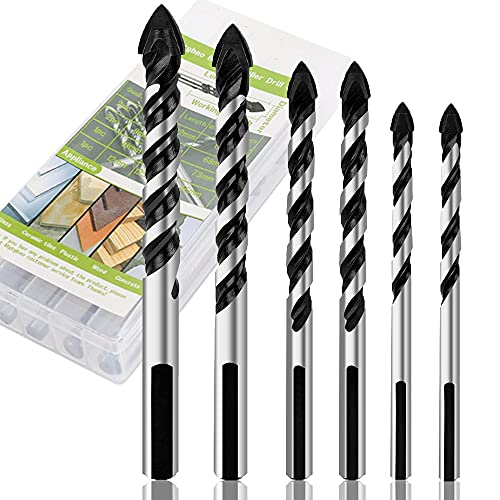
_6 pieces fine grade high durable drill bits in 4 different sizes: that is 2 x 6 mm(1/4"), 1 x 8 mm(5/16"), 1 x 10 mm(3/8"), 1 x 12 mm(1/2") fit your different needs

Includes 12 Pieces per Case | 5.16 Square Ft. Per Case | Case Weight 34.8 lb |TILE SIZE: 8 in. W x 8 in. L x 0.55 in. T
Ceramic Floor vs. Wall Tiles: Why Thickness Differs
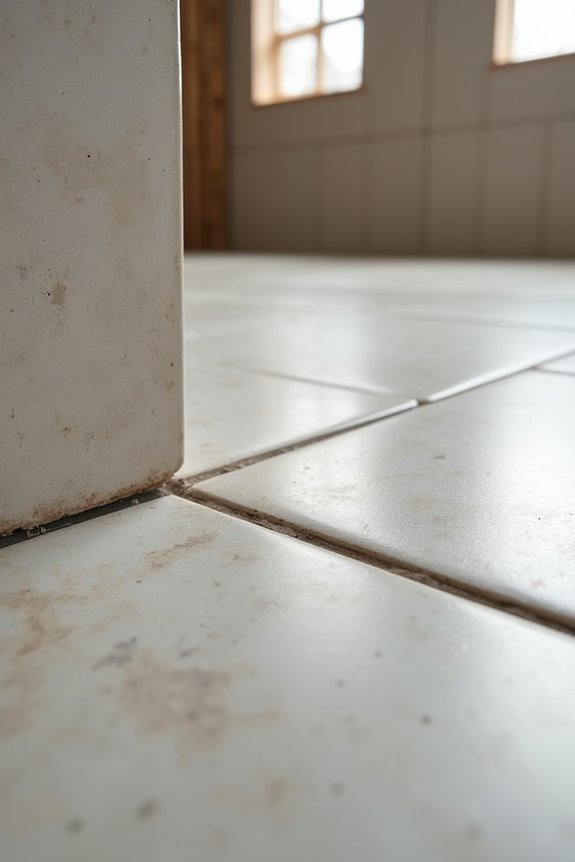
Why do floor tiles need to be thicker than wall tiles, anyway? I’ll tell you—it’s all about what they endure. Ceramic floor tiles typically measure 8–12 mm thick because they’re constantly taking a beating from foot traffic, furniture, and dropped objects. Wall tiles, by contrast, usually run 6–10 mm because they’re not shouldering that same load. Thicker ceramic floor tiles deliver superior durability and impact resistance, which is necessary for high-traffic spaces where thinner tiles would crack under pressure. Wall tiles can stay lighter and thinner since walls don’t need the same hardness ratings or load-bearing capacity. When you’re following installation guidelines, matching these thickness differences prevents awkward floor-to-wall transitions and guarantees everything performs exactly how it should—no surprises, no problems.

Package Contents: The package contains 6 pack tile display wall hanger, measuring a total length of 1.57 inch (40 mm), with a total width of 1.37 inch (35 mm), and a inner groove width of 0.39 inch (10 mm), sufficient quantity to meet your daily use.

Dimensions (in inches): 6 H x 6 W x 1/4 D

Made from high-quality ceramic for long-lasting performance in both residential and commercial applications.
Why Porcelain Tiles Often Require Greater Thickness
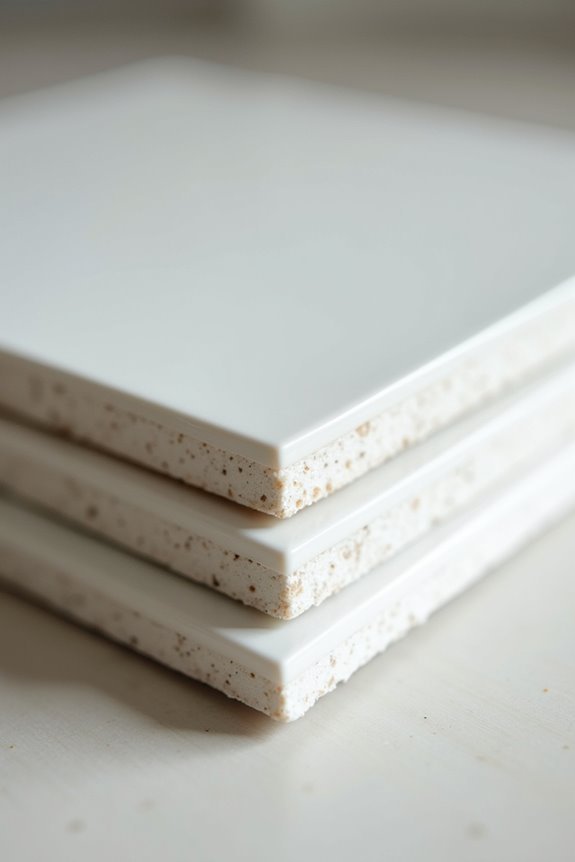
Porcelain tiles are a whole different animal compared to ceramic, and here’s the thing—they’re denser, harder, and more resilient, which means they can handle the punishment of daily life better than ceramic ever could. Because of their superior hardness ratings and durability, we typically recommend thicker porcelain tiles—think 10–12 mm—especially for floors and high-traffic spaces where things get rough. Now, ultra-thin options exist (around 3.5–6.5 mm), but they demand more careful installation guidelines and mesh backings to stay strong. Large-format slabs, too, benefit from that extra thickness for stability and preventing lippage issues. Weight considerations matter here, but the durability payoff is substantial. You’re investing in tiles that’ll last.

Exotic Moroccan-Inspired Pattern:These peel and stick vinyl floor tiles showcase a detailed kaleidoscope-style mosaic design in navy, teal, orange, and beige—instantly transforming any room with cultural elegance.

8.75" x 10" Heavy Duty Porcelain Tile With Delightfully Cheerful Colors and Must Have Standards

[Realistic Marble Pattern with DIY Options]: With a super realistic marble appearance and various color options, these tiles meet personalized decorative needs. They are versatile enough for use in homes or commercial spaces, suitable for shop decoration, rental renovations, and RV flooring projects.
Traffic Level and Durability: Matching Thickness to Your Space
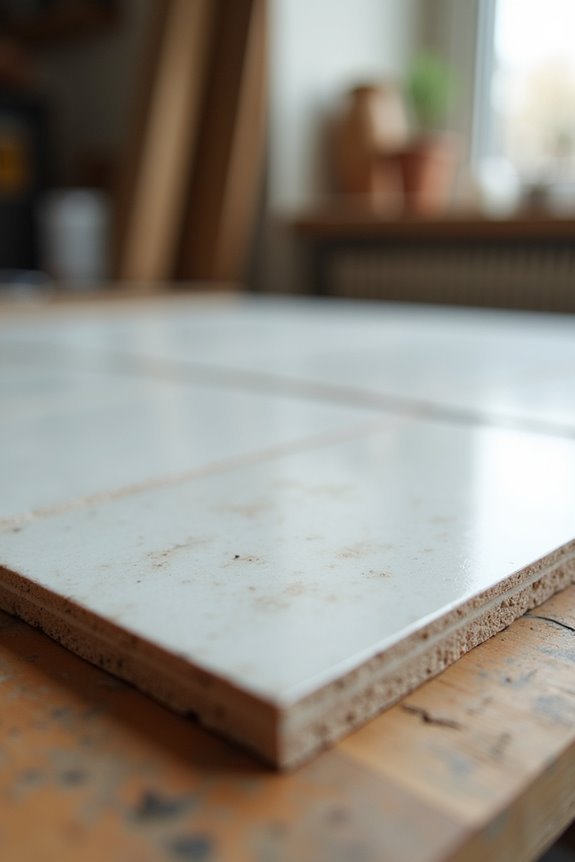
How do you know what thickness will actually work in your space? Match your tile thickness to your traffic level—it’s that straightforward. Here’s what I consider:
- High-traffic areas need thicker porcelain tiles (10–12 mm) for durability and impact resistance
- Low-traffic zones like walls work well with thinner tiles (6–8 mm), saving weight and cost
- Standard floors typically fall between 8–12 mm, depending on your foot traffic
- Substrate and underlayment matter just as much as thickness itself
Thicker doesn’t automatically mean better for every room. I balance my installation guidelines with realistic traffic patterns. Thicker tiles do require stronger adhesives and bump up installation costs, but they’re worth it where you need them. Match your thickness choice to how you’ll actually use the space, and you’ll get the results you want.

Ardex Ardipeg self-leveling pins are highly effective in providing accurate elevation measurements, ensuring a flawless application for various tiling projects

Adjustable Sizing: 54 sq ft tile uncoupling membrane heated floor (1/8" thick, 3.3 ft x 16.4 ft) adjusts to your space with cut-to-fit ease, heat uncoupling membrane perfect for versatile vertical/horizontal setups, anchoring tightly in position

Tile Cracking Prevention - Provides an effective uncoupling layer to neutralize stress between the substrate and tiles, preventing cracking and delamination in ceramic and stone tile installations.
Thin or Thick: The Visual and Tactile Trade-Off
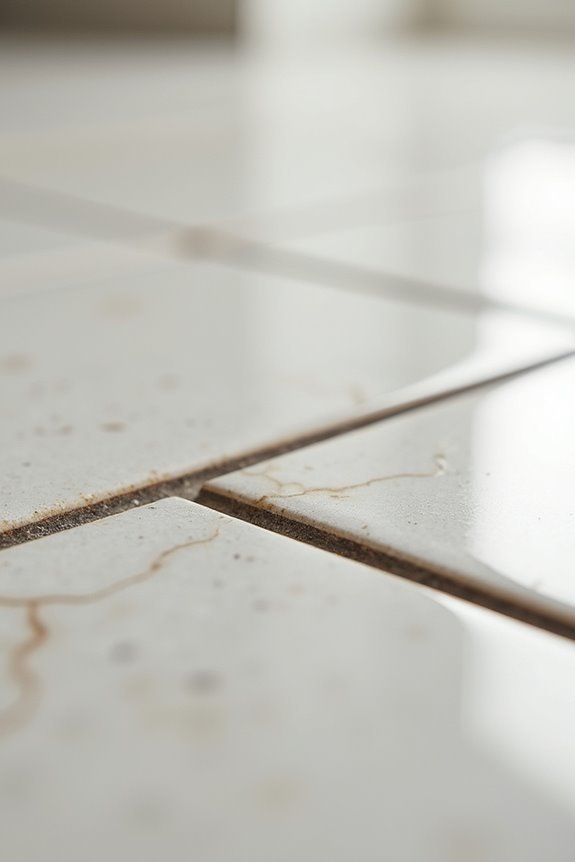
When you’re choosing between thin and thick tiles, you’re really deciding what kind of look and feel you want in your space—because a sleek 3.5 mm ultra-thin porcelain gives off a modern, almost floating vibe, while a chunky 12 mm floor tile feels more substantial and grounded. Your design style matters too; minimalist rooms often work well with those delicate thin tiles that blend into the background, whereas traditional or rustic spaces might call for thicker tiles that have more presence and weight. The tactile experience—how the tiles feel underfoot or to your fingertips—shifts with thickness, so think about whether you want something that feels lightweight and airy or solid and reassuring before you make your final decision.

PROTECTIVE, PORTABLE FLOORING: Dense, durable tiles protect floors and withstand gym equipment and heavy use; surface compression may occur with heavy equipment
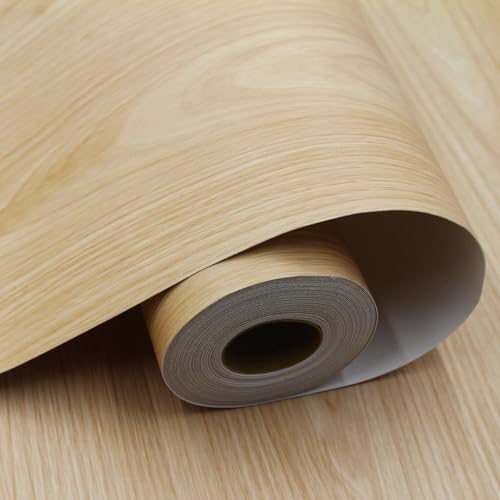
Double the Width: Our premium wood grain tiles are 11.8 inches wide, offering double the coverage of standard tiles, making installation and renovation a breeze. Ideal for peel and stick flooring solutions

16 TILES COVER 15 SQFT: Each floor mat tile is 12"x12" in size, they are designed to be assembled and customized easily, ideal for coverage in multiple spaces; With 7/16" thickness, the interlocking mat provides a comfortable & innovative home flooring solution
Aesthetic Impact And Perception
Ever noticed how the same tile can look completely different depending on its thickness? That’s because thickness shapes your tile’s aesthetic impact and how people perceive quality. Here’s what I’ve discovered:
- Thinner tiles (6–8 mm) read as modern and sleek, giving spaces that minimal vibe
- Thicker tiles (8–12 mm) convey traditional and substantial character, anchoring rooms with visual weight
- Floor tiles need that extra heft to feel durable and handle foot traffic effectively
- Thin decorative wall tiles keep installations light while maintaining a quality appearance
Perceived quality rises with thickness. That tactile feel matters when you’re running your hand across the wall. But here’s the consideration: your tile profile should balance what looks good with what actually works for your space. It’s all about finding your perfect match.
Tactile Quality And Feel
There’s something satisfying about running your hand across a tile and feeling that solid, substantial presence beneath your fingers. When you choose thicker porcelain—think 10 to 12 millimeters—you’re getting that rewarding underfoot heft that communicates durability. Thinner tiles, around 3.5 to 6.5 millimeters, feel sleeker and more refined, but they lack the grounded confidence thicker options deliver. The tactile feel shifts noticeably with thickness; heavier tiles create a pronounced sound when you walk across them, making your space feel more deliberate and substantial. Ultra-thin options work well for walls, emphasizing lightness, while floor applications benefit from that extra durability and the texture perception that comes with real weight underfoot.
Design Style Compatibility Matters
How do you want your space to feel—crisp and modern, or grounded and timeless? Your tile thickness choice directly shapes that vibe, and I’m here to help you get it right.
What matters most:
- Thin tiles (6–8 mm) deliver sleek, contemporary aesthetics that make small spaces feel more open
- Thick tiles (8–12 mm) anchor rooms with traditional, rustic presence and visual weight
- Large-format tiles typically come thicker for stability, creating bold modern statements
- Installation guidelines require stronger underlayment for thicker options, affecting your overall durability
The practical balance? Match your design style with durability needs. Thin tiles feel lighter and fresher, while thick ones convey weight and permanence. Consider your room’s purpose—high-traffic areas benefit from that extra thickness. Choosing thickness means choosing how your space tells your story.
Soundproofing and Impact Noise: What Thickness Delivers
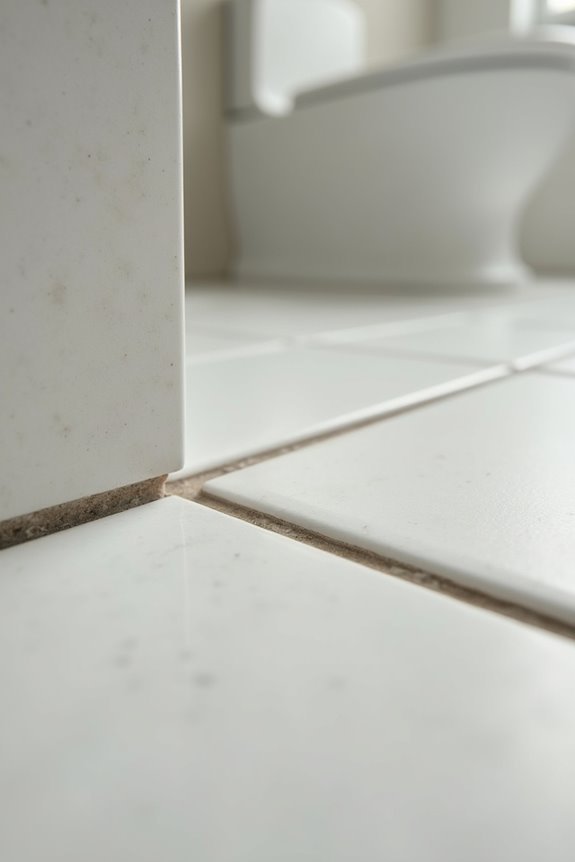
When you’re standing in your kitchen and hear every footstep from the apartment above—or worse, when you drop a plate and it sounds like thunder—you’re dealing with impact noise, and honestly, tile thickness plays a bigger role than most people realize. Thicker porcelain tiles, around 10–12 mm, block sound better than thinner 6–8 mm versions, especially on concrete floors. The reality, though: thickness alone won’t solve the problem. Your underlayment matters just as much—even premium thick tiles underperform with poor underlayment. I’d recommend pairing substantial tile density with quality soundproofing materials beneath. Tight grout joints seal those sneaky air gaps that transmit noise too. Basically, you’re building a team, not relying on one player.

Dimensions (in inches): 8 W x 8 H x 1/4 D

Premium Quality Construction: First Quality Encaustic Style Ceramic Tile designed for durability and long-lasting performance

12"x12" Geometric Pattern Ceramic Tile (11 13/16" x 11 13/16" exact sizing)
Substrate, Grout, and Underlayment: Installation Demands by Thickness
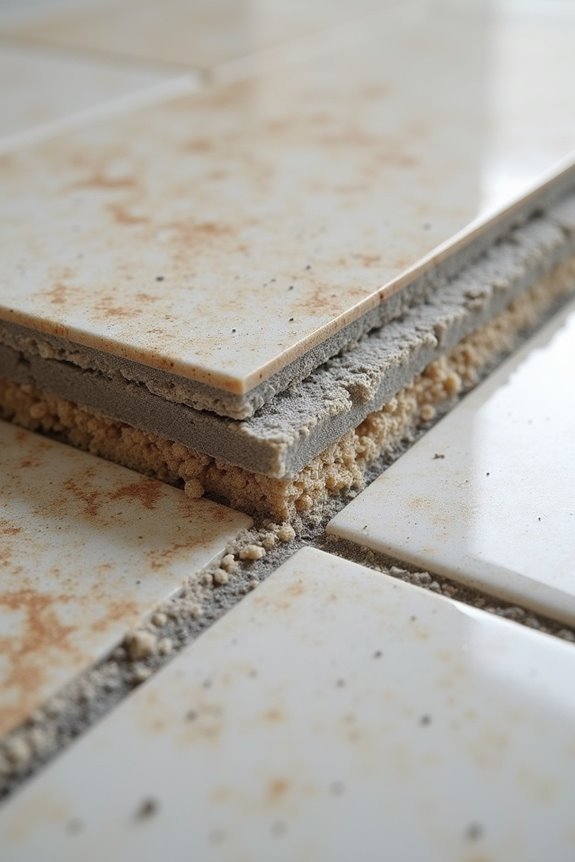
Ever notice how the “invisible” stuff beneath your tiles matters way more than what you actually see? I’m talking about what happens underneath—the substrate, underlayment, and grout joint decisions that impact your installation.
Here’s what I’ve learned about matching thickness to your setup:
- Substrate flatness: Thinner tiles (6–8 mm) catch every imperfection, while thicker ones (8–12 mm) tolerate minor bumps better
- Underlayment choices: Use leveling compounds or decoupling membranes to handle thickness differences smoothly
- Grout joint width: Thicker tiles need wider joints for proper load distribution and to prevent lippage
- Installation guidelines: Stronger adhesives and upgraded tools become necessary with heavier tiles
Planning these details upfront saves serious headaches later. When substrate, underlayment, and grout joint specs align with your tile thickness, everything works together properly.
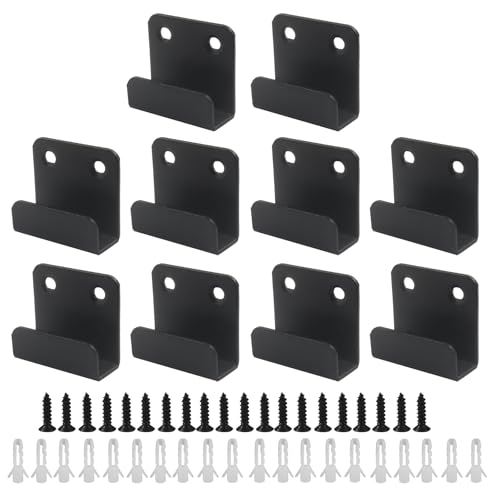
Heavy-Duty Construction: Crafted from premium stainless steel, each tile display wall hanger boasts impressive durability and can support heavy weight, ensuring secure and reliable usage for your hanging needs.
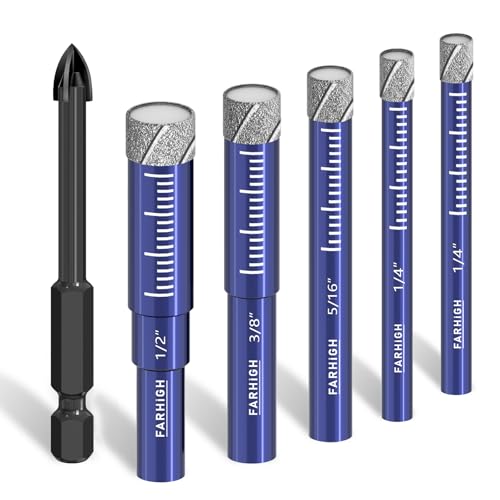
【Precision sizes for standard anchors】This 6-piece set provides the exact diameters needed for common installation tasks: 2x 1/4" (6mm), 5/16" (8mm), 3/8" (10mm), 1/2" (12mm) diamond bits plus a 1/4" (6mm) carbide-tipped bit for centering. Perfect for precisely installing towel bars, mirrors, floating shelves, and brackets into standard anchor sizes.
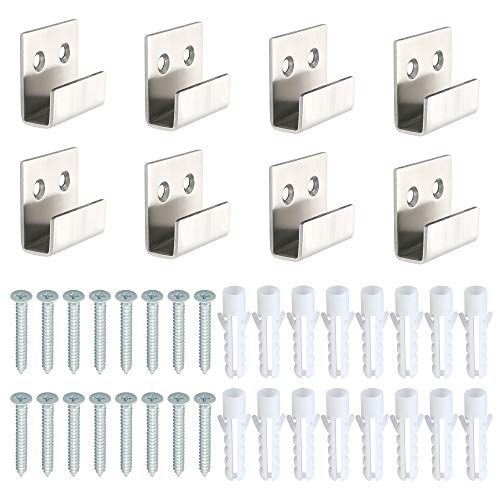
【Premium Quality Material】The Tile Hanger constructed of h-q stainless steel, material features high hardness, corrosion and rust resistance, strong and durable properties ensure long service life.
Mosaic, Subway, and Ultra-Thin Tiles: Specialty Options Explained
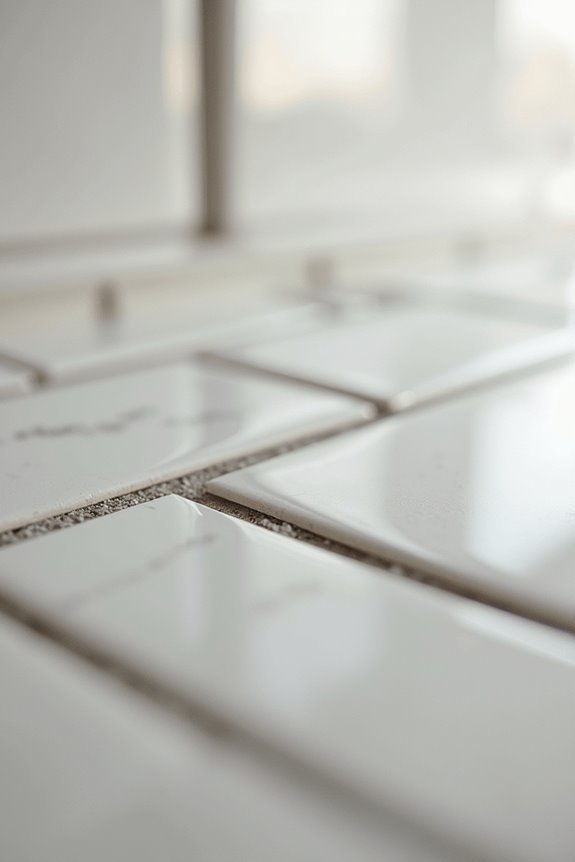
I’ve got to show you something about the thinnest tiles out there, because they’re useful options for your space. Mosaic tiles, which are the real minimalists of the tile world, sit at just 3 mm thick (that’s barely thicker than a few sheets of paper), and they come pre-mounted on sheets so you’re not stuck placing each tiny piece individually. Then there’s this newer innovation called ultra-thin porcelain that splits the difference—landing around 3.5 to 6.5 mm—and these tiles offer serious durability thanks to their fiberglass mesh backing, which keeps them from cracking even though they weigh way less than traditional options.
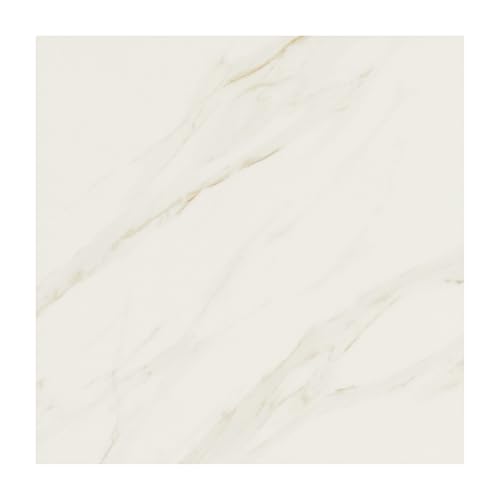
Each color emulates a unique and striking replication of natural marble and stone with Reveal Imaging

Marble inspired peel and stick floor tiles with a checkerboard styling

Retro-vintage peel and stick FloorPops floor tiles with blue Art Deco medallions
Mosaic Tiles: Thinnest Options
Consider covering your backsplash or accent wall with tiles so thin they’d barely bump out from the surface. That’s what mosaic tiles deliver. I’m talking about thickness ranging from just 3 mm to 4 mm—seriously, that’s thinner than a pencil! Here’s what makes them valuable:
- Minimal profile: They create virtually no protrusion from your wall
- On-sheet applications: Pre-arranged patterns come ready to install
- Intricate designs: You can achieve detailed mosaics without bulk
- Lightweight installation: Perfect for delicate surfaces and creative projects
The approach? Many ultra-thin mosaic options use backer mesh backing, which reinforces these delicate tiles without adding thickness. This innovation means you’re not sacrificing durability for that sleek, integrated look you’re after. It’s a practical solution when you want visual impact without the bulk.
Ultra-Thin Porcelain Innovations
How’d porcelain tile manufacturers pull off something that sounds impossible—making durable tiles thinner than a few millimeters? Well, companies like Cotto d’Este cracked the code with innovations like their Kerlite lines, which back ultra-thin porcelain onto fibreglass mesh for serious durability. These tiles clock in at 3.5 to 6.5 mm thick, letting you install massive slabs up to 3 square meters—no, really—on ships, worktops, and cladding projects where weight matters.
Here’s the thing: mosaics and smaller ultra-thin formats need careful installation and specialized adhesives to prevent hollow spots. The smart move? Check out multi-thickness collections from your favorite brand, letting you mix ultra-thin surfaces with standard tiles across different applications while keeping everything consistent and visually unified.
Choosing Your Thickness: A Decision Framework by Room and Use
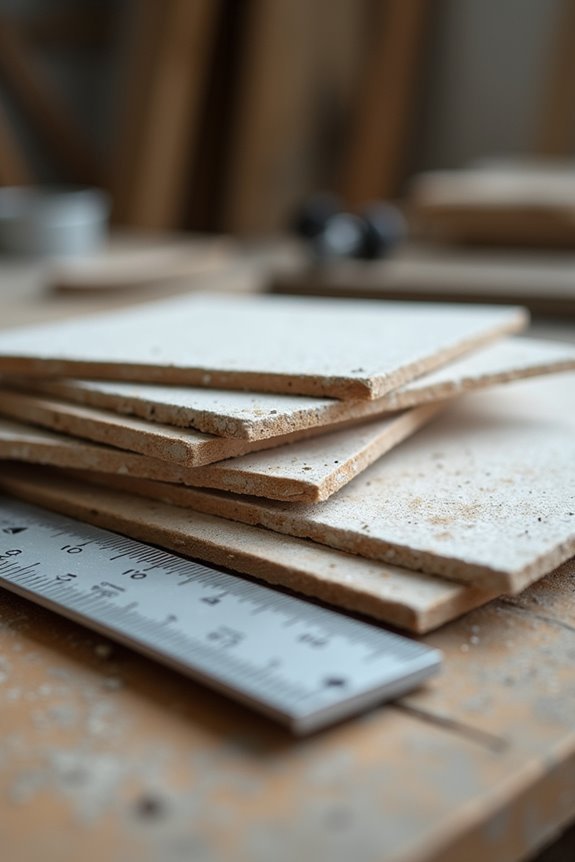
Once you’ve decided on ceramic tile for your project, the next big question is figuring out how thick those tiles should really be—and honestly, it’s not one-size-fits-all.
Here’s what I’d consider for your space:
- Walls and low-traffic areas: Go with 6–8 mm tiles; they’re plenty sturdy where foot traffic stays minimal
- Floors and high-traffic zones: Choose 8–12 mm for durability that will last through daily wear
- Large-format floor tiles: Pick 10–12 mm to resist flexing and cracking under weight
- Transitions between rooms: Account for tile thickness plus underlayment compatibility to avoid those awkward door-scraping scenarios
Thicker tiles (9–12 mm) give you better impact resistance and longer-lasting performance, especially in busy kitchens or commercial spaces. Match your ceramic tile thickness to room use guidelines, and you’ll make a choice that serves you well for years.

PROTECT YOUR TILE INSTALLATION: Rather than tiling directly onto your substrate, lay down a floor membrane between your substrate and your tile. Whatever inevitable changes happen to your substrate, whether conditions cause it to expand, contract, or crack, this crack prevention membrane "uncouples" your tile floor from it, preventing damage from cascading upwards to it.

Mapeguard UM 35 is a waterproofing and vapor control HDPE flooring underlayment with high-performance crack isolation up to 1/8 Inch (3 mm). It has a uniform thickness with a low profile

Superior Crack Isolation: Effectively protects ceramic tile, porcelain, and stone installations from substrate cracks, ensuring long-lasting durability.