
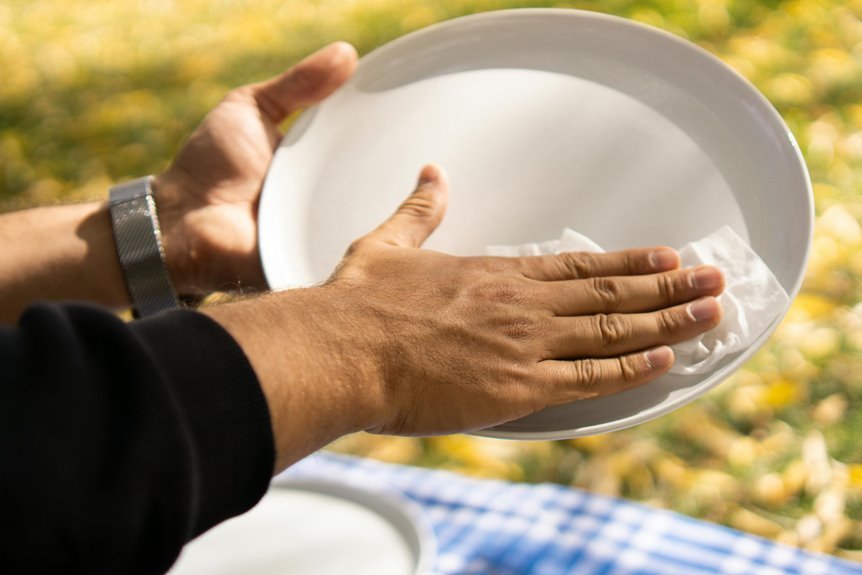
Not all ceramic dishes are created equal—some can handle the dishwasher just fine, while others’ll get damaged fast. The real difference? How hot the clay was fired and whether your glaze can withstand detergent and heat. I’d check if your pieces are vitrified (that’s the fancy word for properly fired), have a durable glaze, and aren’t decorated with gold trim or delicate patterns.
Hand-washing certain ceramics keeps them looking newer longer, but if you want to know exactly which ones need special care, there’s more to uncover.
What Makes Ceramics Actually Dishwasher-Safe?
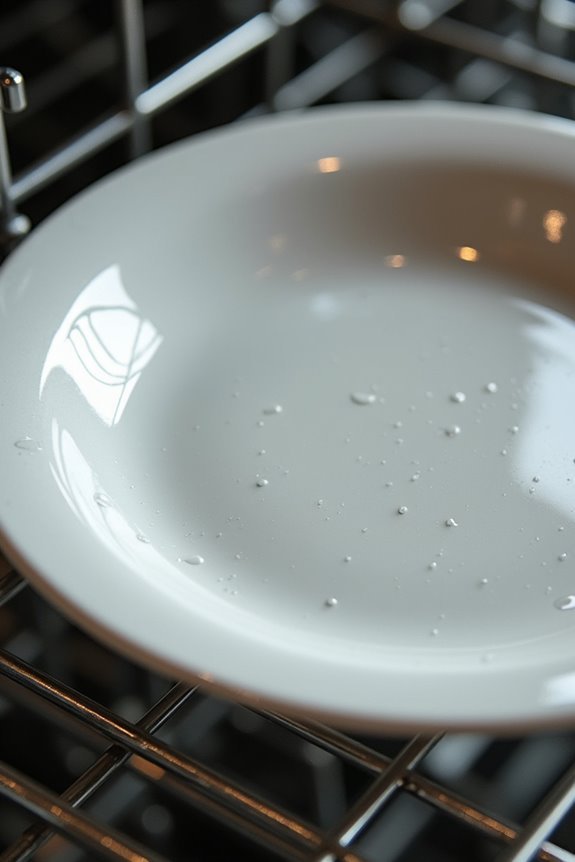
Ever wonder why some ceramic dishes survive the dishwasher looking brand new while others come out looking like they’ve been through a war? I’ve learned the key: it all comes down to what’s actually in your ceramics. You see, truly dishwasher-safe pieces have a vitrified body—that’s a fancy way of saying they’re fired at high temperatures, making them super dense and resistant to water absorption. But here’s what really matters: glaze durability. A high-quality, well-applied glaze protects your dishes from detergent damage and thermal shock (those sudden temperature changes). Porous ceramics and weak glazes? They’ll crack, dull, and craze faster than you can say “hand wash only.” So when you’re picking dishes, look for that dishwasher-safe label—it’s your reliable guide to easy cleanup.

FORTESSA - For nearly 35 years with a love for quality and a spirit of creativity, we bring dinnerware, flatware and dinnerware designed for the way people gather today. For the joy of gathering, for the beauty of every bite – live tastes better with Fortessa.

FORTESSA - For nearly 35 years with a love for quality and a spirit of creativity, we bring dinnerware, flatware and dinnerware designed for the way people gather today. For the joy of gathering, for the beauty of every bite – live tastes better with Fortessa.

FORTESSA - For nearly 35 years with a love for quality and a spirit of creativity, we bring dinnerware, flatware and dinnerware designed for the way people gather today. For the joy of gathering, for the beauty of every bite – live tastes better with Fortessa.
Three Tests That Prove Dishwasher Safety
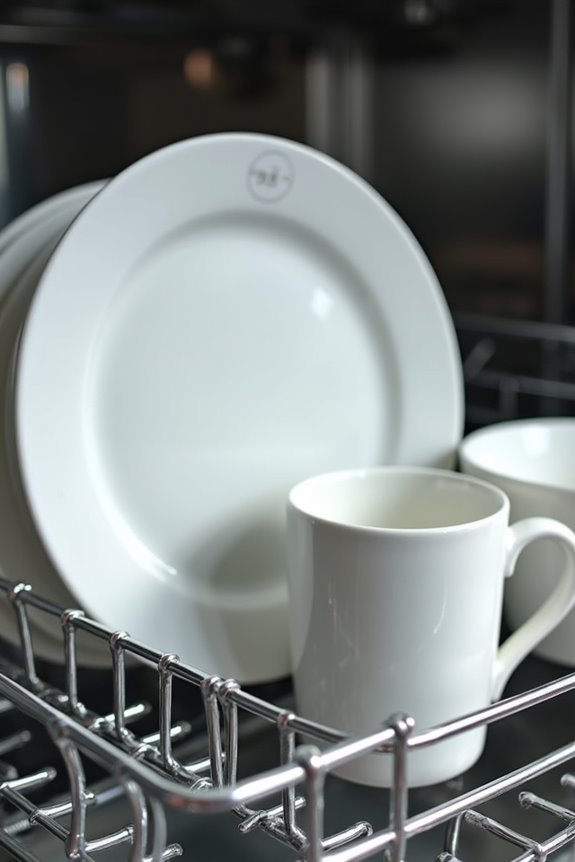
I’ve figured out that you can actually test whether your ceramic dishes will survive the dishwasher by running them through three specific checks: first, you’ll want to see how they handle the heat bouncing around in there, then peek at whether that glaze stays tough and shiny after a few cycles, and finally, you’ll notice if any colors start fading or looking dull. These tests aren’t complicated—no, really—they’re just ways to watch your dishes over time and catch any warning signs before they’re totally ruined. So let’s talk through each one and see what they actually tell you about your ceramic’s true dishwasher personality.

Durable & Stylish Small Dog Bowl – Perfect for small breeds, this 2.5" H x 6.75. pet bowl holds 2.5 cups of food/water. The roll over red-colored high-fired porcelain stoneware with reactive glaze finish ensures a stylish touch to your pet’s mealtime.

Durable & Stylish Large Dog Bowl - Designed for large breeds, this 3" H x 8"pet bowl holds 4 cups of food/water. The biscuit-colored high-fired porcelain stoneware with a reactive glaze ensures a unique and stylish touch to your pet’s mealtime.

Durable & Stylish Small Dog Bowl - This 2.5"H x 6.75 bowl holds 2.5 cups of food/water. The best friend blue-colored, high-fired porcelain stoneware with unique reactive glaze ensures a stylish mealtime for small breeds.
The Heat Resistance Test
How does ceramic actually survive a dishwasher’s wild temperature swings—from scalding hot to cool rinse water, cycle after cycle? It’s all about how the clay gets fired and glazed. When porcelain or vitrified stoneware gets properly fired at high temperatures, the material becomes super dense and non-porous. This matters because porous ceramics absorb water, which then expands and contracts with heat, causing cracks. The heat resistance test checks exactly this—exposing pieces to rapid temperature changes to see if they crack or craze. Quality glazes also resist alkaline detergents that can wear them down.
| Material | Firing Temp | Porosity | Dishwasher Safe |
|---|---|---|---|
| Porcelain | Cone 13+ | Low | Yes |
| Vitrified Stoneware | Cone 6 | Low | Yes |
| Earthenware | Cone 04 | High | No |
| Unglazed | Variable | High | No |
The Glaze Durability Check
Now that we’ve covered how ceramic survives the heat, let’s talk about what really takes a beating in your dishwasher—the glaze itself. Here’s the thing: alkaline detergents are basically glaze kryptonite, and they’ll dull or fade weaker glazes over time. But quality ceramics with well-fused glazes hold up through repeated dishwasher cycles. The trick is vitrification—that process that creates low porosity, which means less water absorption and stronger glaze protection. Thermal shock resistance matters too; your best dishes endure those rapid temperature swings without crazing or cracking. Conversely, cheap decorative ceramics with delicate glazes crack under pressure. Look for high-quality pieces with glossy finishes that resist staining, and you’ll get lasting performance.
The Color Fade Assessment
So, what’s actually happening to your favorite mug’s color after those repeated trips through the dishwasher? Here’s the thing: high-quality glazes resist fading, but porous ceramics? They’re more vulnerable. When water seeps into tiny pores, it carries detergent deeper into the glaze, gradually dulling those vibrant colors you love. The porosity factor matters tremendously—dense, well-fired pieces keep their luster, while under-fired ceramics lose that fresh-from-the-kiln glow quickly. You’ll notice the difference between a mug that looks brand-new after fifty cycles and one that’s lost its shine. It’s not just cosmetic either; color fade often signals that your glaze isn’t holding up against dishwasher demands. Check your piece’s porosity by feeling its weight and examining its surface texture.
When to Hand-Wash Instead
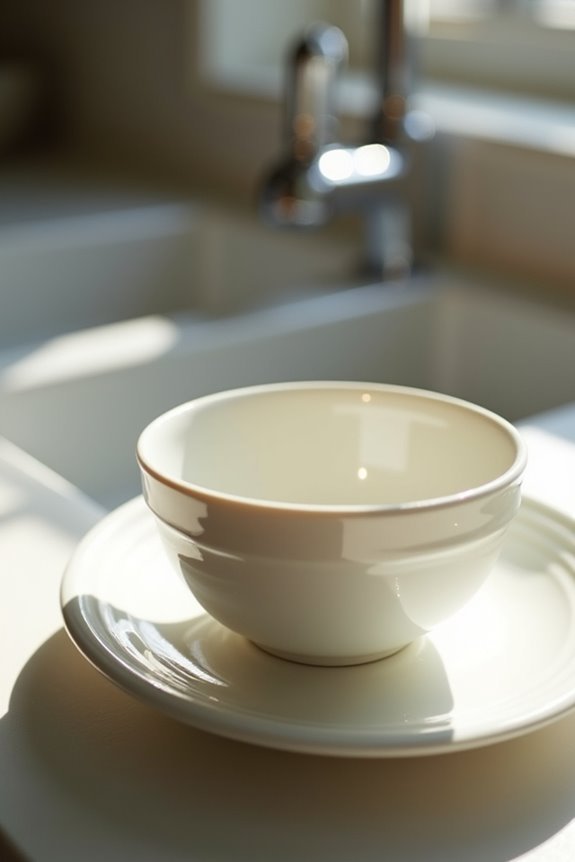
Even though your ceramic dish might wear a “dishwasher safe” label—and I’ve been there, tempted to toss everything in—there are actually several situations where hand-washing is the smarter choice. Handmade pieces, unglazed ceramics, and anything with gold or metallic trim need gentle hand-washing to stay beautiful. Black or multi-glazed dishes can dull or crack from harsh detergent, so I treat those with care. Pieces with delicate patterns, luster finishes, or low-fired glazes wear down over time in the dishwasher. Hand-washing preserves that glaze integrity. Then I air-dry everything to prevent thermal stress and cracking. The extra few minutes are well spent.

Safe & Lead-Free Stoneware Dinnerware Set for 6: This stoneware dinnerware set for 6 is double-fired and completely free of lead and cadmium, ensuring healthy, worry-free meals for your family.
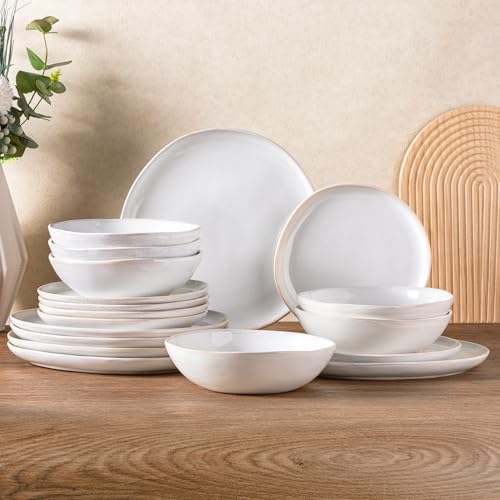
EVERY PLATE IS UNIQUE: This dinerware set are fired with two different glazes, so the surface develops a beautiful color and makes your food look even more delicious.Since our glaze is all-natural, the surface of plates would change color on different lighting. The color may be a tad different from what you see in the images, but every item is beautiful. Our glaze is also extra strong to prevent scratches from your knives and forks.

EVERY PLATE IS UNIQUE: This dinerware set are fired with two different glazes, so the surface develops a beautiful color and makes your food look even more delicious.Since our glaze is all-natural, the surface of plates would change color on different lighting. The color may be a tad different from what you see in the images,but very item is betiful.Our glaze is also extra strong to prevent scratches from your knives and forks.
Five Dishwasher Mistakes That Wreck Ceramics
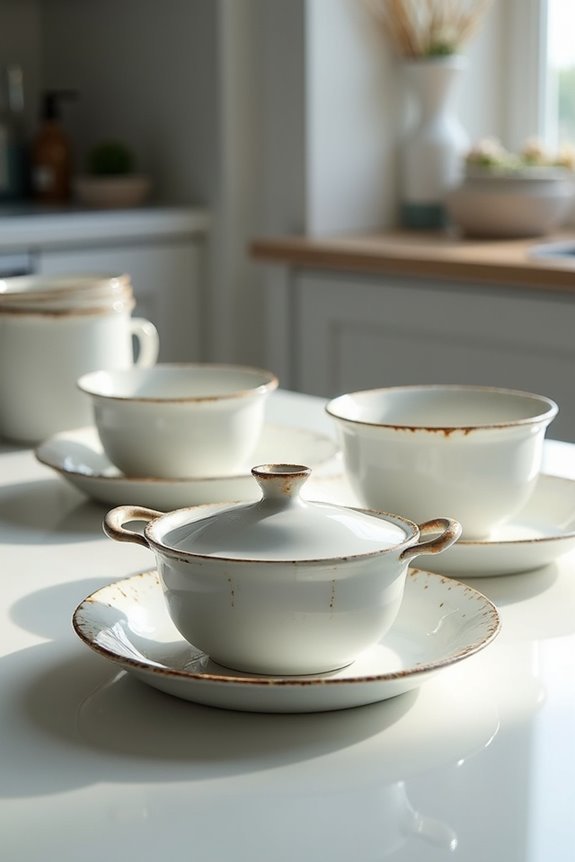
Why do some of my ceramic dishes look so tired after just a few years in the dishwasher, while others seem practically indestructible? I’ve learned that even “dishwasher safe” labels don’t tell the whole story. Here’s what I’ve discovered wrecks ceramics: cramming dishes too tightly prevents proper cleaning and causes chipping, using scalding water triggers thermal shock that creates hidden cracks, overloading the detergent cup damages glazes faster than you’d expect, placing delicate pieces in the hot dry cycle accelerates crazing, and mixing cheap ceramics with quality ones means watching cheaper pieces dull first. The truth is, repeated cycles wear down even labeled-safe dishes. I now treat my favorites more gently—because protecting them today means enjoying them for years.

CHIP & BREAK RESISTANT OPAL GLASS — Engineered from durable opal glass that holds up to everyday use; significantly more resistant to chips and breaks than traditional ceramic or porcelain, making it ideal for busy households
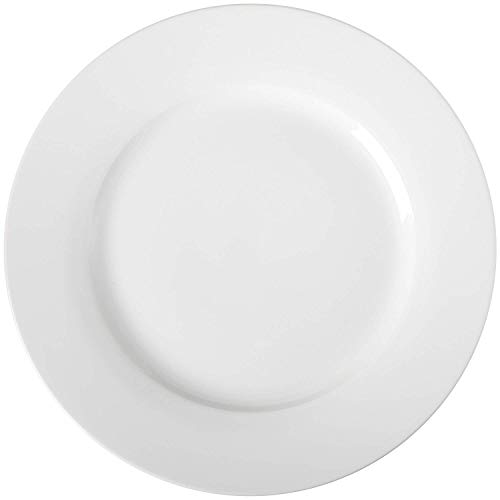
Dinner plates for everyday use or entertaining

8 PLATES: This set includes (8) 10-1/2-inch plates. These versatile plates are a household essential and work perfectly for all manner of meals.
Red Flags: Dishwasher-Safe Isn’t Always Safe
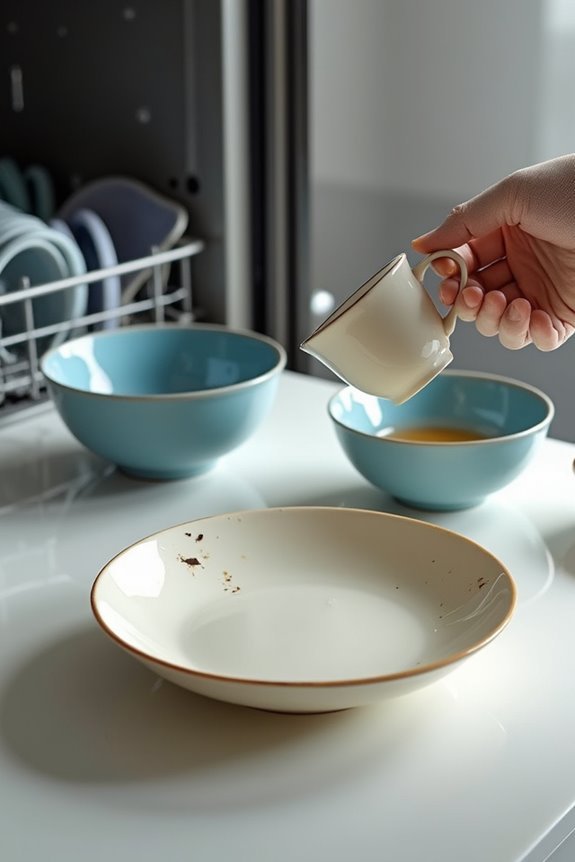
it’s saying the piece *won’t break* in the dishwasher, not that it’ll look pristine after years of repeated cycles. Here’s the thing: that label doesn’t promise your ceramic will stay beautiful forever. Even dishwasher-safe dishes can dull, craze, or wear down over time because the label only checks if the material’s porosity and glaze can handle the heat and water pressure—not whether they’ll survive looking great. Delicate glazes, especially handmade ones, often fade or develop fine cracks despite the label. Think of it like this: your favorite mug might be technically safe, but after hundreds of washes, you’ll notice it’s lost its shine. So consider what matters most. If something feels precious or irreplaceable, hand wash it anyway. Your ceramics (and your peace of mind) will benefit.
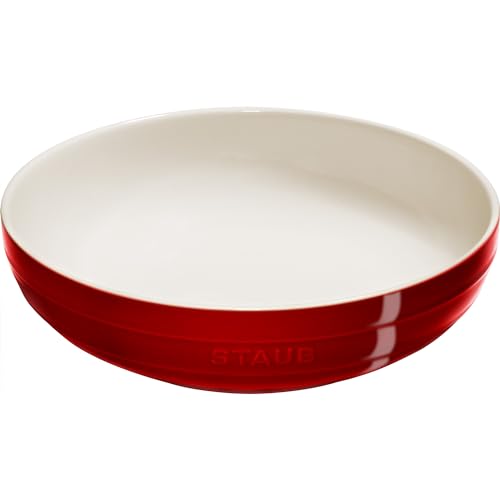
Vitreous porcelain-enamel finish

Hearty 28 oz Capacity: Big enough for a full serving of French onion soup, chili, chowder or mac-and-cheese without frustrating spill-overs

【Ceramic Pumpkin Pot】Pumpkin shaped bowl isn't just for collectors, it's for those who loves new things for their tables. Whimsy dinnerware ceramic pumpkin bowl makes your food looks more appetizer, ceramic pumpkin Bowls with lid delicate yet practical, it's a pumpkin decor not only for Halloween, Thanksgiving, home, party, etc., but also for hosting gatherings or family meals.
Hand-Wash vs. Dishwasher: Quick Guide
I’ve found that hand-washing your ceramics does make a real difference—it stops water from soaking into raw clay and keeps harsh dishwasher detergents from wearing down your pieces over time. Here’s the thing though: the dishwasher can work fine for some ceramics (especially vitrified ones with tough glazes), but thermal shock from temperature swings can crack or craze delicate or poorly glazed pieces, so it depends on what you’ve got. The material itself matters most—low-porosity ceramics with quality glazes hold up well to dishwasher cycles, while porous, unglazed wares need gentle hand-washing to last.


WARM & ORGANIC MODERN STYLE: Each piece is inspired by earthy tones and finished with a reactive glaze for unique color variations. Pairs naturally with wood accents and neutral beige textures. Complements organic modern, rustic farmhouse, and bohemian decor effortlessly.

Made in the USA
Hand Washing Preservation Benefits
When you care about a ceramic piece, hand washing is your best option. Delicate glazes remain pristine when you avoid the dishwasher’s harsh cycles. Hand washing prevents moisture from seeping into raw clay spots (like your mug’s foot), which keeps the whole piece strong and crack-free. You also avoid thermal shock—that temperature jump that causes glazes to wear down faster. Washing by hand with mild soap and gentle care helps your ceramics last longer. Air drying everything minimizes moisture absorption. Avoiding abrasive scrubbing prevents micro-scratches. This simple habit helps preserve pieces you care about.
Dishwasher Damage and Wear
Why does your favorite mug look duller after a few trips through the dishwasher? Here’s the thing: dishwashers are tough on ceramics in ways we don’t always notice. The heat, detergents, and constant movement gradually wear down your glaze, creating micro-scratches that reduce that original shine. Porosity and vitrification really matter here—low-porosity, vitrified pieces handle the machine better than porous ones, but even “dishwasher safe” items wear over time. Thermal shock from rapid temperature changes can cause cracking or crazing, especially in delicate pieces. Plus, aggressive detergents and high heat slowly dull even quality glazes. Your ceramics aren’t ruined, but they’re aging faster. Gentle cycles, mild detergents, and skipping heat-dry will help keep them looking fresher, longer.
Material Vitrification Matters Most
So how do some ceramics bounce back from the dishwasher looking nearly untouched while others turn cloudy and worn after just a few cycles? The answer lies in vitrification—the process that transforms ceramic from a porous sponge into a dense, water-resistant powerhouse. When ceramics are properly vitrified, they develop a tightly packed structure that resists water absorption and thermal shock from those temperature swings your dishwasher throws at them. You’re looking at glazes that stay intact, colors that don’t fade, and surfaces that withstand detergent chemicals. Non-vitrified pieces, meanwhile, soak up water readily, leading to staining, glaze wear, and eventual cracking. So before tossing that bowl in, check if it’s vitrified—your favorite dishes will last longer.