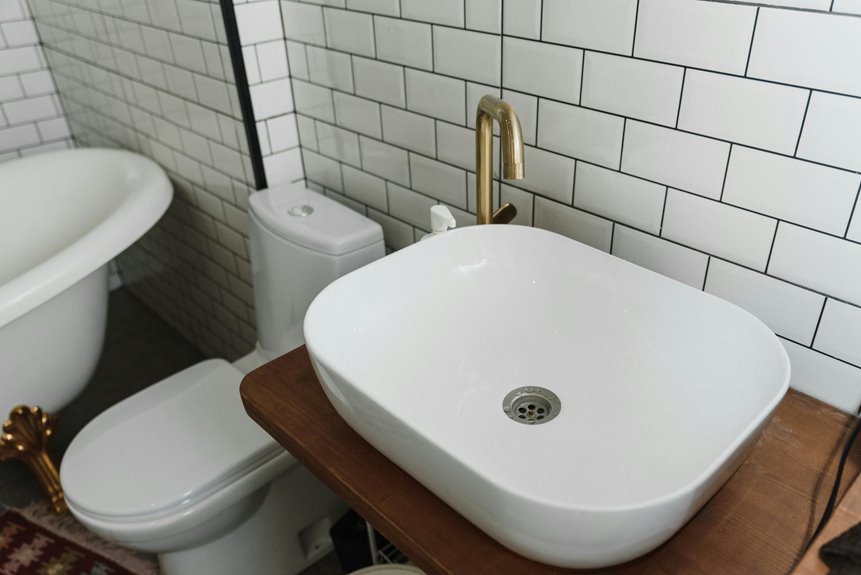
Porcelain tiles run 40–80% pricier than ceramic. You’re looking at $8–$38 per square foot installed for porcelain versus $4.50–$15 for ceramic.
Basic porcelain can actually cost less upfront, but once installers start cutting (it’s tough stuff), labor jumps $1–$3 per square foot.
Porcelain lasts 50–75 years in demanding spaces while ceramic manages 20–50, so that initial investment often pays off over time. The real breakdown of where your money goes depends on several factors worth considering.
Porcelain Costs 40–80% More Than Ceramic on Average
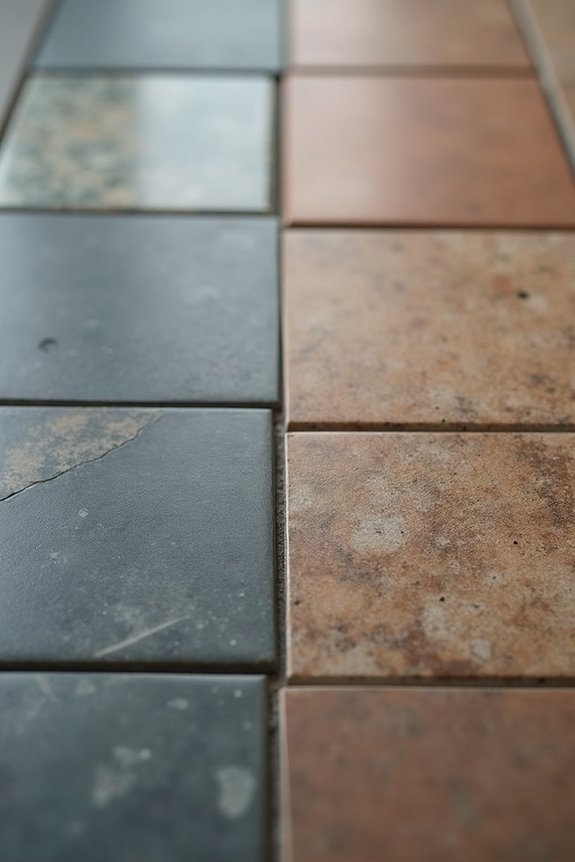
Why does porcelain cost so much more than ceramic? It comes down to how these tiles are made. Porcelain tile cost runs 40–80% higher than ceramic tile cost because porcelain uses denser material and requires higher firing temperatures during production. This extra manufacturing effort means a higher upfront cost, but you’re getting superior durability and moisture resistance with long-term benefits. When we look at installed price per square foot, porcelain typically ranges $8–$38, while ceramic sits at $4.50–$15. Installation costs add another $1–$3 per square foot for porcelain since cutting these harder tiles demands more skill. Even premium varieties justify their expense through long-term performance in tough spaces.

【Specifications】Hex Shank Diamond Drill Bits 1/4"(x2), 5/16"(x2), 3/8"(x2), 1/2"(x1); Ti & Tungsten Carbide Bit 1/4"(x2). Features hex shank for anti-slip grip and optimal torque transfer, ensuring stable, precise holes without cracking.

Features a detailed windmill canal scene inspired by traditional Delft blue pottery, with elegant blue-and-white tones, sailboat, and historic architectureperfect for fans of European art, vintage illustration, and ornamental design.

Ultra-Thin Design for Precision - The X-teeth turbo mesh rim ensures efficient, precise cuts with minimal chipping. The ultra-thin design of diamond blade for angle grinder enhances cutting speed and smoothness, perfect for porcelain, ceramic, and granite
Material Price Breakdown: Ceramic vs. Porcelain per Square Foot
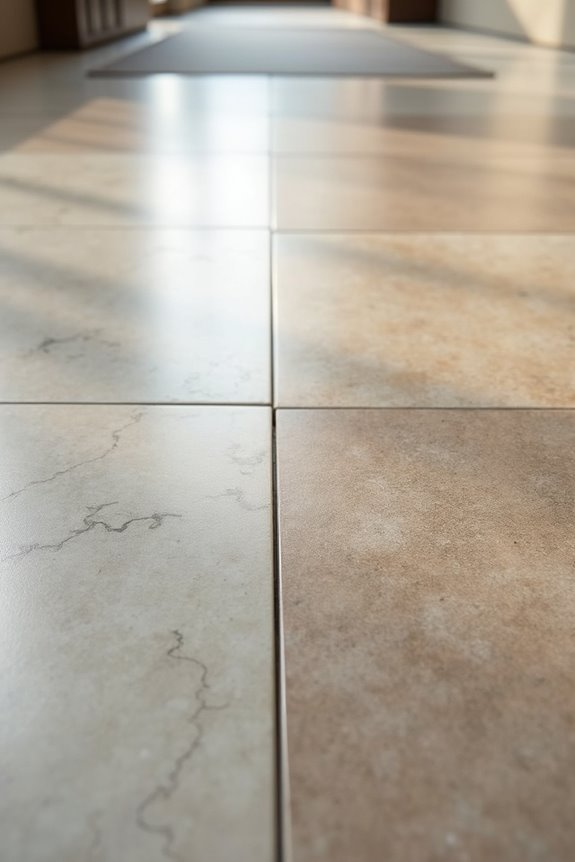
How much are you actually paying when you compare ceramic and porcelain tiles side by side? Let me break down the per square foot price so you can see exactly where your money goes.
| Tile Type | Material Cost | Installed Cost |
|---|---|---|
| Budget Ceramic | $4–$5 | $4–$8 |
| Basic Porcelain | $3 | $5–$10 |
| Premium Porcelain | $15–$20+ | $8–$38 |
Basic porcelain sometimes costs less upfront than ceramic, making tile price comparison more complex than it initially appears. However, when you factor in installed cost, porcelain generally runs higher. Your total installed price increases significantly with premium porcelain options like large-format or wood-look designs. Budget ceramic remains your cheapest route, but basic porcelain and high-end ceramic options do overlap in price range.

Dimensions (in inches): 4 H x 4 W x 1/4 D

Dimensions (in inches): 4 H x 4 W x 1/4 D

Timeless Square Design: Classic 4 1/4" square ceramic wall tile with a glossy finish that complements both modern and traditional bathroom and kitchen backsplash designs.
Installation, Repairs, and Waste: The Real Cost Difference
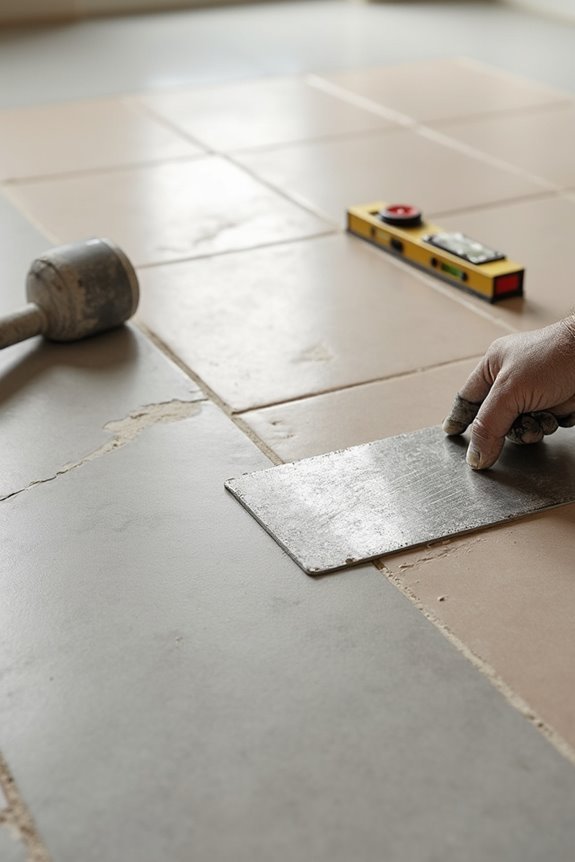
When you’re tallying up your tile budget, here’s the thing—the price tag on the box is only half the story. Installation costs differ dramatically: ceramic runs 20–50% cheaper because it’s easier to cut and lighter to transport. Porcelain’s toughness creates more waste during cutting, driving up labor expenses, though it rarely needs repair due to superior durability. Ceramic chips easily, meaning cheaper replacements but frequent fixes. You’ll also face sealing costs with ceramic around grout lines for moisture protection, while porcelain generally skips this step. Porcelain’s weight increases shipping and delivery charges significantly. When you combine installation savings, reduced waste, minimal sealing, and rare repairs, ceramic wins for budget-conscious projects. But porcelain’s longevity provides real value over time.
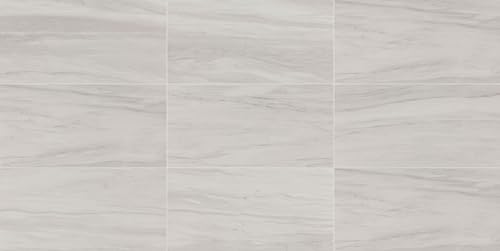
Capture the elegance of marble available in two colors

Precision 1/32" Spacing Guaranteed Engineered with laser-calibrated wedges to maintain exact 1/32" grout lines for ceramic, porcelain, and marble tiles, exceeding industry standards.

Heavy Duty Construction: The frame of the tile cutter tools hand tool is made of heavy all-steel material, compact, strong, and durable. The solid rail makes cutting work more accurate and suitable for long-term use. Friendly Reminder: This product is suitable for smooth, standard tiles and not for mosaic tiles with uneven surfaces.
What Makes Porcelain Cost More: Firing, Density, and Performance
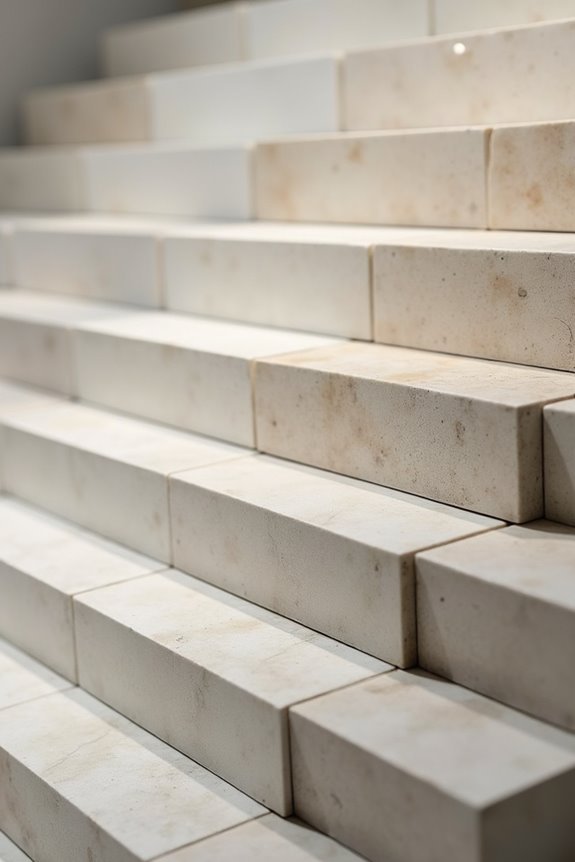
Ever wonder what’s actually happening inside a kiln that makes porcelain tiles so pricey? I’ll tell you—it’s all about those extreme firing temperatures reaching 2,200–2,500°F, which demands serious energy and specialized equipment. This intense heat creates that superior density you’re paying for, and here’s the thing: denser tile means lower water absorption (below 0.5%), unlike ceramic’s 0.5%–3%. That difference translates directly to better durability and performance, especially outdoors where moisture wreaks havoc.
The production process requires greater time, pressure, and expertise than ceramic manufacturing. These higher costs get passed to you at purchase, sure, but you’re investing in longevity. Because porcelain’s hardness and minimal moisture uptake mean fewer repairs down the road, installation costs stabilize too. When you’re choosing tile for your space, you’re really choosing how long you want it lasting.

Plank Porcelain Tile Dimensions: 6" x 24" plank porcelain tile suitable for kitchen backsplashes, walls, and floors

Available in a modern 8 x 48 plank and 1 x 24 mosaic in a matte finish

Available in a modern 8 x 48 plank and 1 x 24 mosaic in a matte finish
Ceramic for Walls, Porcelain for Floors: Where to Save Without Sacrificing Durability
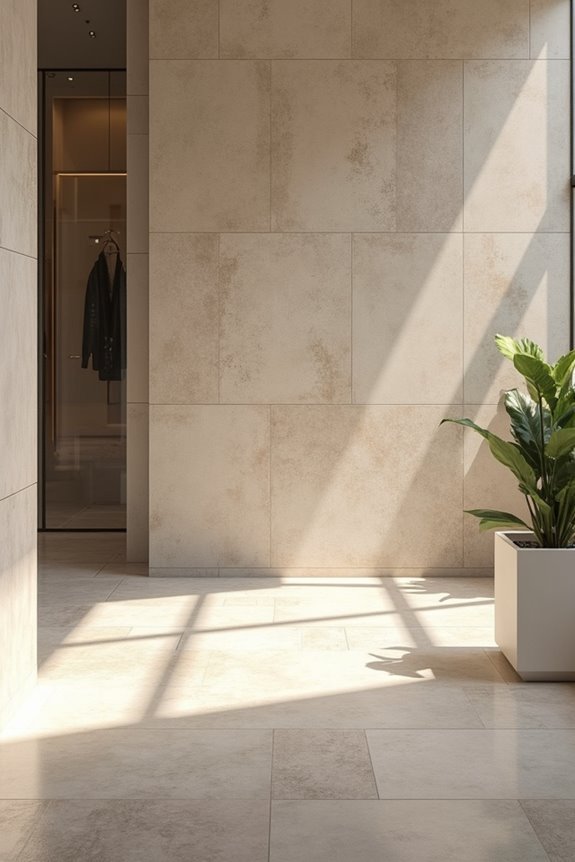
Why spend extra money on porcelain walls when ceramic does the job just fine? I’d suggest a smart strategy: ceramic walls, porcelain floors. Here’s why this cost comparison makes sense:
Why spend extra on porcelain walls? Strategic placement works smarter: ceramic walls, porcelain floors for maximum durability and savings.
- Installation costs drop significantly—ceramic’s lighter weight means faster, DIY-friendly wall work that saves labor expenses
- Porcelain floors handle heavy traffic—their ultra-low water absorption (<0.5%) outperforms ceramic for durability where moisture and wear matter most
- Long-term maintenance costs shrink—you’ll skip expensive repairs from water damage, particularly in bathrooms and outdoor areas
Yes, porcelain carries a higher upfront cost, but strategic placement maximizes your budget. Ceramic walls give you affordability without compromise, while porcelain floors provide serious durability where you need it. You’re getting the best of both worlds—genuine performance and real savings.

Stylish - Authentic wood looking and grain texture,

Dimensions (in inches): 6 H x 6 W x 1/4 D

Long-Term Value: Does Porcelain or Ceramic Save More Money?
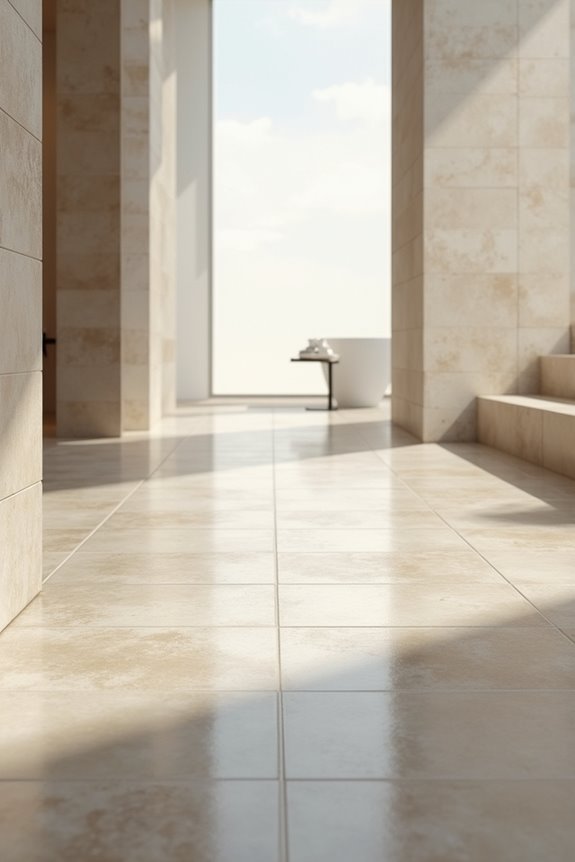
While porcelain costs you more upfront—we’re talking $8–$25 per square foot versus ceramic’s $5–$15—here’s the thing: that initial investment often pays for itself over time through durability, fewer repairs, and lower maintenance costs, especially in bathrooms or kitchens where moisture and foot traffic matter. Climate and location really shape which tile wins the money game; porcelain’s near-zero water absorption (less than 0.5%) means you’ll spend way less on grout sealing and mold prevention than you would with ceramic, which soaks up moisture like a sponge (0.5%–3%) and can leave you dealing with stains and repairs down the road. Your best move is thinking strategically about where each tile goes: invest in porcelain for those high-traffic zones and wet areas where it’ll last 50–75+ years, and use ceramic in your drier, lower-traffic spots, which gives you the durability where it counts while keeping costs reasonable.

【Super Thin Design】EZARC 3-Inch Super Thin Diamond Blades are engineered to provide precise and clean cuts through ceramic, porcelain, granite, and marble tiles. Ideal for tile installers and DIY enthusiasts, these blades deliver exceptional accuracy with minimal effort.

Wide Application - This touch up paint pen adheres to a wide range of surfaces, including tile, tub, bathtub, sink, enamel, porcelain and refrigerators. It allows you to easily repair scratches, stains, chips, spots, yellowing, and other surface paint imperfections

Ultra-Bond Ceramic & Porcelain Tile Repair: Quickly and easily fix chips, cracks, holes, and scratches on all tile surfaces—ceramic, porcelain, acrylic & natural stone; Restores unsightly damage on bathroom and kitchen floors or walls to a brand-new, seamless finish in minutes
Initial Cost vs. Lifespan
When you’re standing in a tile showroom with your budget in hand, porcelain’s price tag can make you wince—we’re talking $3 to $28 per square foot for the tiles themselves, plus another $5 to $10 per square foot for installation. Ceramic seems friendlier on the wallet initially, sure, but here’s where the story gets interesting:
- Porcelain lasts 50–75+ years in demanding spaces, while ceramic typically gives you 20–50 years
- Porcelain’s low water absorption (<0.5%) means fewer repairs and less mold trouble down the road
- Ceramic needs more frequent maintenance, grout sealing, and eventual replacement
That higher upfront porcelain cost? It often pays for itself through durability and fewer headaches, especially in bathrooms and kitchens where moisture matters.
Maintenance and Repair Expenses
Now that we’ve looked at what you’ll shell out upfront, let’s talk about what actually happens to your wallet over the years—because that initial sticker shock can flip on its head once maintenance enters the picture. Here’s the thing: porcelain’s low water absorption means you’re doing less grout sealing and fighting fewer moisture problems, which saves you real money on cleaning and upkeep. Ceramic repair costs pile up faster in high-traffic areas since chips happen more often, while porcelain’s durability means fewer replacement frequency headaches. Sure, porcelain cracks are pricier to fix, but they’re rare. When you look at total cost of ownership over time, porcelain’s moisture resistance and longevity make it the smarter financial choice for spaces that see heavy use or moisture exposure.
Climate and Application Impact
Climate and Application Impact
- Moisture-prone areas: Porcelain’s water absorption under 0.5% beats ceramic’s higher rate, making it your best choice for bathrooms and outdoor use where mold and damage cost you money down the road.
- High-traffic floors: Porcelain lasts 50+ years versus ceramic’s 20–50 years, meaning fewer replacements and lower installation costs per square foot over time.
- Radiant floor heating: Porcelain’s density handles temperature changes better, protecting your long-term investment in heated floors.
Your ceramic cost savings upfront? They disappear quickly in demanding spaces. Porcelain’s higher upfront expense pays off through durability and reduced maintenance costs.