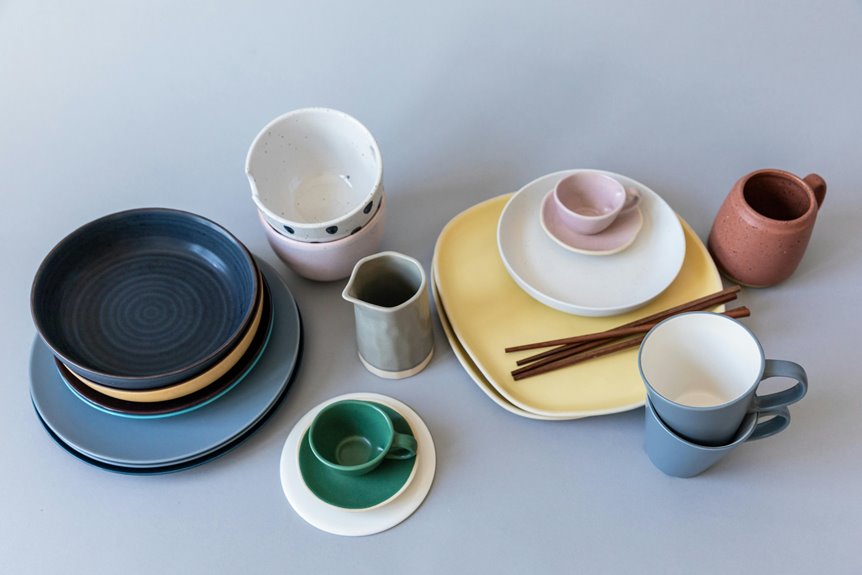
Most modern ceramic plates are safe—no, really. Reputable brands make lead-free, food-safe dishes that won’t leak harmful substances into your meals. The glaze coating keeps things nonporous, so bacteria don’t stick around.
That said, damaged or chipped glazes are your cue to toss them, and acidic foods can trigger leaching from older plates. You’re already thinking smart by asking these questions, so keep that mindset going.
Want to know exactly which certifications matter most and how to spot the risky ones?
Are Ceramic Plates Safe to Use for Food?
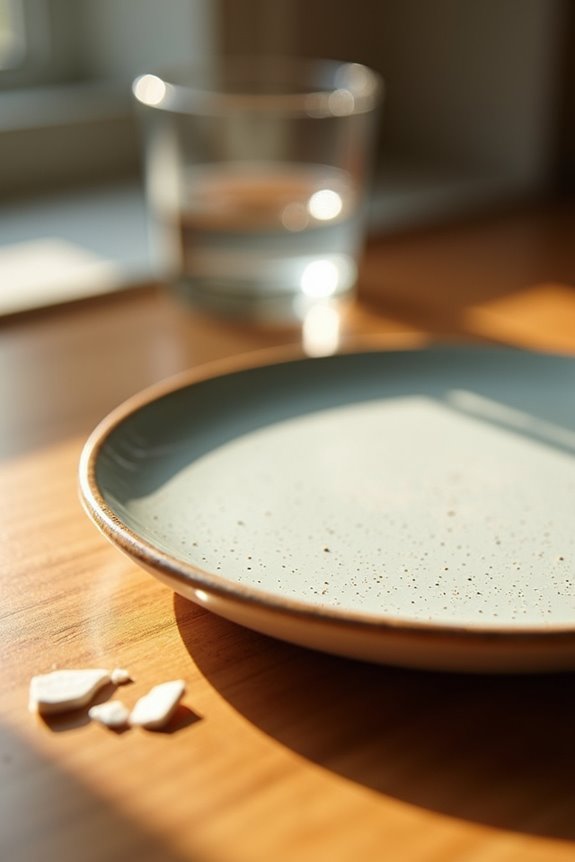
Ever wonder if those ceramic plates sitting in your kitchen cabinet are actually safe to eat from? Most modern ceramic dinnerware is safe when it’s properly glazed and meets current safety standards. Reputable brands create food-safe, lead-free plates that won’t leach harmful substances like lead or cadmium into your meals. The FDA sets strict limits on what can leach from dinnerware, and that glaze coating makes ceramics nonporous, so bacteria doesn’t accumulate.
However, vintage pieces or poorly regulated imports might contain lead in their glaze. Always buy from trusted manufacturers with safety certifications, and inspect your plates regularly. If you spot chipped glaze or cracks, replace them immediately, because damaged ceramic can release toxins.

HANDCRAFTED WITH UNIQUE BEAUTY: Every plate and bowl in our collection is expertly handcrafted by skilled artisans, showcasing the beauty of traditional craftsmanship. The pieces are finished with a Double Reactive Glaze, which creates a unique, rich color that varies slightly with each item. This ensures that every set is distinct, adding a personal touch to your dining experience.

HEALTHY & SUPERIOR VALUE : These dinnerware set are made of degradable clay making it free of lead and cadmium, NO need to worry about harmful substance leaching into your drinking and food, Twice fired premium ceramic make it sturdy, durable and chip-resistant for long use.

Premium White Ceramic – High‑quality porcelain with a smooth glossy finish; 100 % lead‑free & cadmium‑free for safe dining
What Certifications and Standards Guarantee Safe Ceramics?
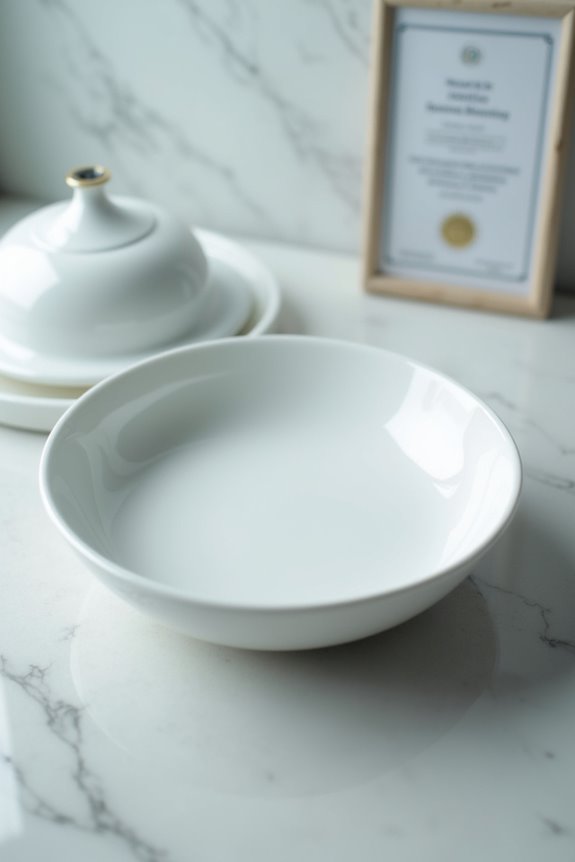
So how do you actually know if a ceramic plate is safe to use—I mean, really safe? Look for certifications and standards that I trust: lead-free and cadmium-free labels, third-party testing results, and FDA compliance. These aren’t just fancy words; they’re your protection against heavy metal leaching into your food. I check for transparent material disclosures and certification labels that prove glaze safety through rigorous testing. Brands like Xtrema go further, using no glazes at all and providing third-party lab results confirming the absence of harmful substances. When you see food-safe certifications on dinnerware, you’re making an informed choice that prioritizes health. Those labels? They’re your assurance served on a plate.
| What to Look For | Why It Matters | Protection |
|---|---|---|
| Lead-free certification | Prevents neurological damage | Confidence in safety |
| Third-party testing | Independent verification | Reliable results |
| FDA compliance | Meets safety standards | Safe eating |

Natural & Healthy Materials: Crafted entirely from Wheat Straw, these Cereal Plates are 100% BPA-free, non-toxic, odorless, and environmentally friendly. Made with food-grade materials for a wholesome daily dining experience. These plates are designed with safety in mind for users of all ages. They contain no plastics or harmful chemicals, making them a worry-free choice for your family's meals.

PREMIUM WHEAT STRAW PLATES & FAMILY SAFE: Crafted from premium wheat straw fiber, these dinner plates are BPA-free and non-toxic, making them a safe choice for your family.A healthy alternative to traditional ceramic dishes or plastic plates,these unbreakable plates features a premium matte finish. Unlike fragile stoneware, these plastic plates reusable are sturdy for daily use, serving as kitchen essentials that withstand accidental drops
![100% Compostable Paper Plates, Heavy Duty Disposable Plates [125-Pack] 9 Inch Plates - Eco-Friendly, Biodegradable Sugarcane Bagasse, Natural Unbleached Brown 9" Dinner Paper Plate Disposable](https://m.media-amazon.com/images/I/41i7r-FompL._SL500_.jpg)
ECO-FRIENDLY CHOICE: These aren't just plates or bowls; they're a revolution made from recycled/repurposed bagasse and bamboo. No trees harmed, just sugar cane leftovers turned into something amazing. We're tree lovers, just like you. They're thick sturdy, strong, and a and a symbol of your commitment to the environment and sustainability.
Where Lead and Cadmium Come From in Ceramic Dinnerware
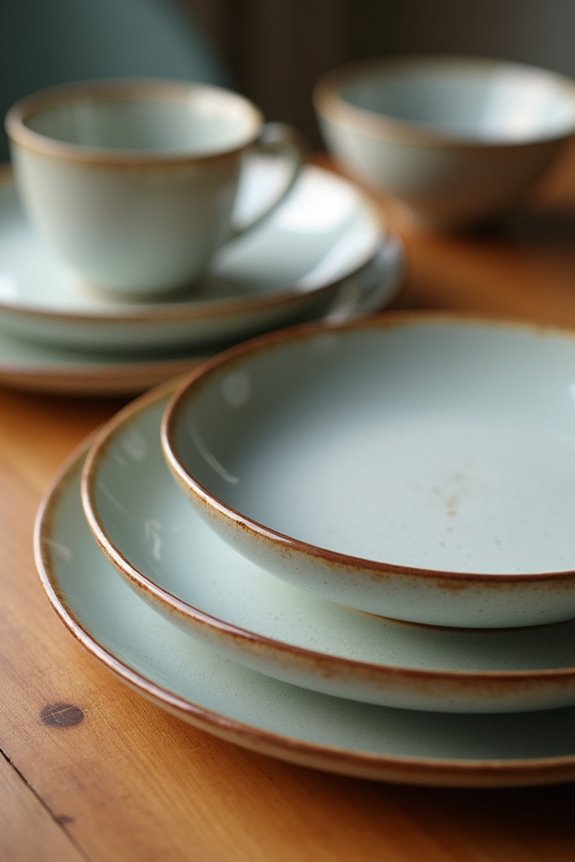
Where exactly do lead and cadmium hide in your dishes? They’re sneakier than you’d think. These heavy metals don’t just come from the clay base; they’re hiding in the glazes and decorations too. Here’s where they lurk:
- Glazes applied as a coating (historically used lead as a flux)
- Decorative paints and designs on the surface
- Chipped or damaged glaze areas that expose vulnerable spots
- Acidic foods that trigger leaching from seemingly pristine surfaces
Modern safety standards and FDA limits work to keep leaching minimal, but in short—the plate can look perfect while still containing heavy metals. That’s why understanding ceramic dinnerware sources matters. You’re not being paranoid; you’re being informed and protecting what matters most: your family’s health.

Excellent Design: Made of high-quality glazed ceramics, with irregular circular circular discs and gold trim. Jewelry plates are the ideal size for placing rings, keys, bracelets, earrings, pins, and brooches. It is also the perfect decoration for your home, office, coffee table, bookshelf, dressing table, or any room.

HEALTHY & EXCELLENT VALUE : These dinnerware set are made of degradable clay making it free of lead and cadmium, NO need to worry about harmful substance leaching into your drinking and food, Twice fired premium ceramic make it sturdy, durable and chip-resistant for long use.

Dimensions;This monogrammed ceramic jewelry dish measures 4.33 x 4.33 inches,It is a small and cute decorative accessory.
Test Your Ceramic Dishes at Home for Lead and Cadmium
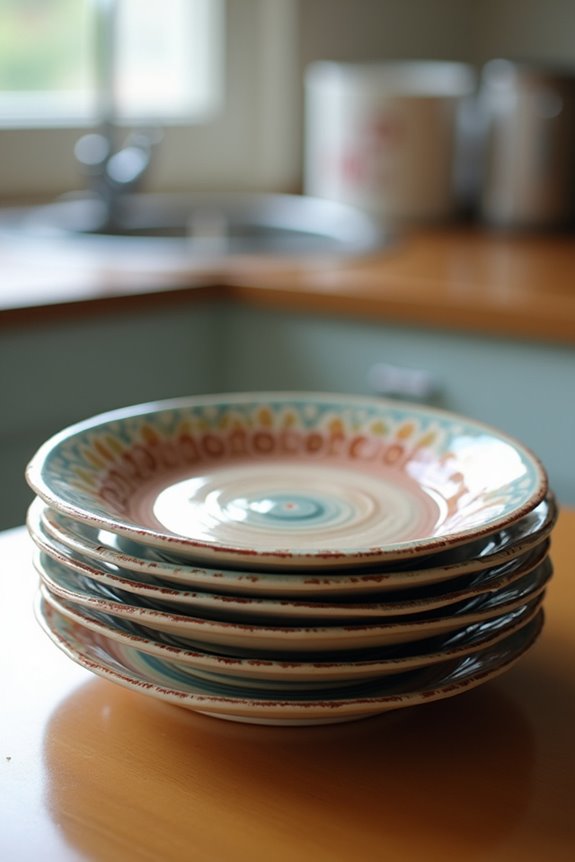
I’ve got good news—you can actually test your dishes yourself right at home using simple lead and cadmium kits (no, really), and I’ll walk you through how to use them properly and what those results actually mean. The trick is swabbing your plate with lemon juice or vinegar first to simulate what happens when acidic food sits on the glaze, which gives you the most honest picture of whether toxins might leach into your meals. Once you’ve got your test results in hand, I’ll help you figure out what numbers matter, when a professional lab test is worth the extra effort, and which dishes you should retire to the decorative shelf.

【MADE OF DURABLE PORCELAIN】A type of premium LEAD-FREE and NON-TOXIC ceramic that is anti-chip, scratch resistant, bright surface, and easy to clean and maintain, longer service life. Safe for dishwashers, refrigerators, microwaves, and ovens. Get the most out of your investment with our MALACASA casserole dishes

Versatile Ceramic Baking Dish: This oven-safe ceramic casserole dish is perfect for roasting, baking casseroles, gratin, and individual portions

Two Versatile Sizes for Serving: This set includes two large serving bowls: an 11.8-inch (45 oz) and a 13.7-inch (74 oz) oval platter. These serving dishes are ideal for family-sized portions, functioning as a large salad bowl, fruit bowl, or pasta bowls. The deep-rimmed design is more practical than flat plates for holding sauces and large main courses. An essential serving dish set for any home
Home Testing Kit Methods
How concerned should you really be about what’s leaching from your favorite dinner plate? I’ll walk you through some practical home testing methods that work.
You’ve got several straightforward options:
- Swab tests — rub the glazed surface to check for surface contamination quickly
- Acetic acid immersion — soak your dish in 4% acetic acid to simulate acidic foods and reveal potential lead migration
- Color-change indicators — use commercial kits that shift colors when cadmium or lead is present
- Professional lab testing — mail samples for definitive safety testing results
The acetic acid method is particularly useful because it mimics how acidic foods actually leach heavy metals from glazing. I’d recommend checking damaged pieces especially—chipped or cracked glazes dramatically increase migration limits violations. Look for dinnerware brands offering lead-free documentation; reputable manufacturers provide safety testing records proving their products meet FDA standards, giving you real peace of mind.
Interpreting Test Results
So you’ve got your test results back—now what? Here’s where interpretation matters. If your ceramic dinnerware tested positive for lead or cadmium leaching, that’s your sign to retire those pieces. The FDA sets strict limits—0.5 mg/L for lead in cups and mugs—and results exceeding that threshold mean your dishes aren’t safe for regular use.
| Result | What It Means |
|---|---|
| Negative | Your glaze passed; you’re good |
| Positive | Lead or cadmium detected; stop using |
| Borderline | Consider the acid test results |
| Chipped glaze | Results unreliable; toss anyway |
Before celebrating negative tests, though, check for manufacturer safety statements. Brands offering third-party testing provide added confidence. A chipped glaze? That dramatically increases leaching risk, making those dishes questionable regardless of results.
When To Seek Professional Testing
When you’re staring at a ceramic plate you’ve loved for years and wondering if it’s secretly poisoning your dinner, that’s exactly when professional testing enters the picture. Here’s when I’d seriously consider reaching out to experts:
- You’ve spotted glaze cracks or visible chips that expose the underlying material
- Home testing kits show concerning levels of lead or cadmium
- Your dishes display bright, unusual glazes or suspicious staining patterns
- You’re experiencing unexplained health symptoms and suspect heavy metal exposure
Professional testing laboratories can confirm whether leaching is actually happening and if your dishes meet food-safe standards. They’ll give you the concrete answers that home kits sometimes can’t provide. It’s worth the peace of mind—and your family’s safety compliance—to know for certain.
What to Do if Your Dishes Test Positive
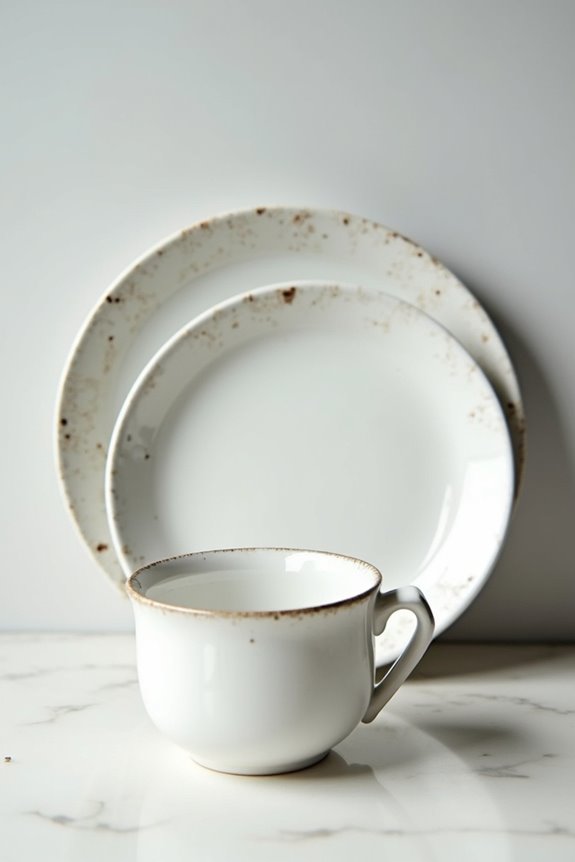
If you’ve just discovered that your favorite ceramic dishes are leaching lead or cadmium, the first thing you’ll want to do is stop using them for food right away and reach out to a doctor about getting checked for lead exposure. Next, check your glaze for cracks or damage, which increases leaching risk. Compare your test results against FDA limits (3 mg/L for flatware, 0.5 mg/L for cups), then document everything for your medical professional. After that, consider swapping these pieces for lead-free, cadmium-free alternatives from reputable brands with third-party testing. Your health matters, and modern, properly glazed dishware makes replacement straightforward.

🐱[HIGH-QUALITY STAINLESS STEEL]: Crafted from thick, food-grade SUS304 stainless steel, highly resistant to rust and corrosion. With a substantial weight of approximately 3oz per bowl, it offers exceptional durability for everyday use. Ideal for both indoor and outdoor feeding settings.
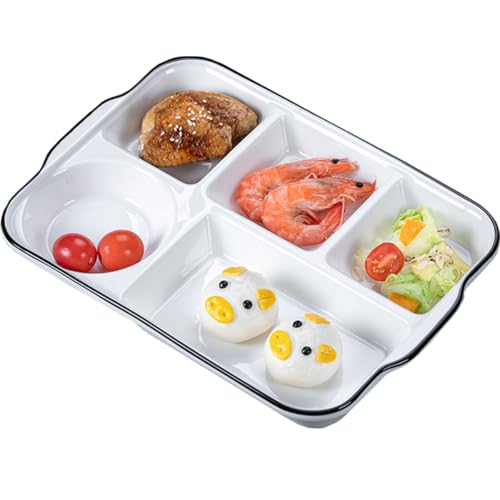
Portion control divided plate - To guide portion size of each food group, making it easier to stay within your daily calorie needs and get the most nutrition out of each meal ,allow you to easily control food portions,making balanced eating simple and effective

IT’S TIME TO HIT PAUSE AND EAT: This is more than a plate. Mora is Latin for "Pause", acting as a reminder to slow down in your amazing life. You are always being told to do more, to go faster, to be better, but it's time for you to slow down every once in a while and enjoy a meal. Your Mora plates can help you do that. Every time you use a Mora plate it is a reminder to hit pause, give yourself some me time, and practice mindful eating.
Best Practices for Maintaining Safe Ceramic Dishes
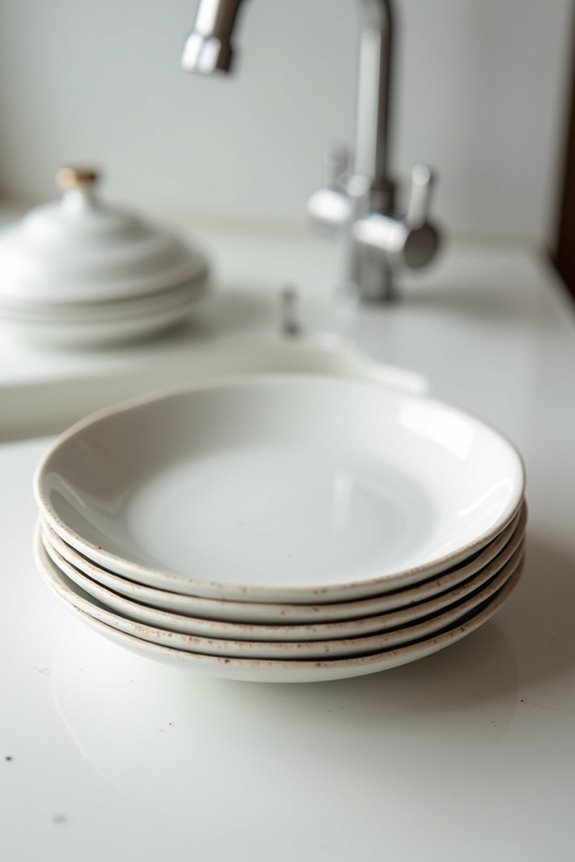
How do you keep your ceramic dishes safe once you’ve got them? Maintaining your glazed ceramic collection doesn’t require constant vigilance—just smart, everyday habits that protect you and your family.
- Inspect regularly for cracks or chips in the glaze, since damaged surfaces increase leaching risks
- Choose lead-free and cadmium-free options from trusted brands with FDA-compliant certifications
- Allow hot dishes to cool gradually rather than shocking them with temperature changes
- Use home testing kits if you’re ever suspicious about potential contamination
High-temperature firing creates durable, non-porous surfaces that naturally resist leaching, but that foundation matters only if you’re maintaining what you have. Staying connected to your dishes—noticing wear, respecting their limits—keeps food safety straightforward. You’re already doing well by caring enough to ask these questions.

【Premium Healthy & Chef-Grade Durability】Crafted from premium lead-free and cadmium-free materials, this dinnerware set ensures a completely safe dining experience. Fired above 2552°F (1400°C) and finished with a multi-layer crystallized glaze, it achieves an ultra-dense, non-porous surface that resists chipping, scratching, and thermal shock. Exceptionally durable and scratch-resistant, it also supports effortless cleaning and is dishwasher and microwave-safe for daily use.

EVERY PLATE IS UNIQUE: This dinerware set are fired with two different glazes, so the surface develops a beautiful color and makes your food look even more delicious.Since our glaze is all-natural, the surface of plates would change color on different lighting. The color may be a tad different from what you see in the images,but very item is betiful.Our glaze is also extra strong to prevent scratches from your knives and forks.

【WHAT'S INCLUDED】: This 12 piece plate set features 4 x 10.25" dinner plates, 4 x 8.25" salad plates, and 4 x 26 oz cereal bowls—everything you need for a service for 4.