
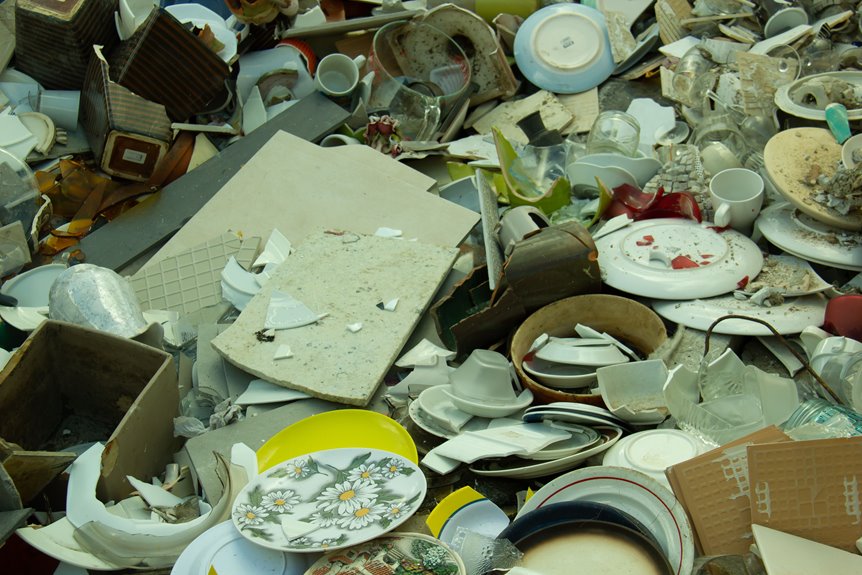
Ceramics don’t belong in your regular recycling bin—no, really—because their extremely high melting point can damage the equipment. So here’s what you do: if your pieces are intact, donate them to thrift stores or churches. Got broken shards? You can crush them for garden drainage, find a specialty ceramic recycler nearby, or check if the manufacturer takes them back. Just bag broken pieces safely to avoid cuts, and keep exploring options that work best for your situation.
Why Ceramics Damage Standard Recycling Systems
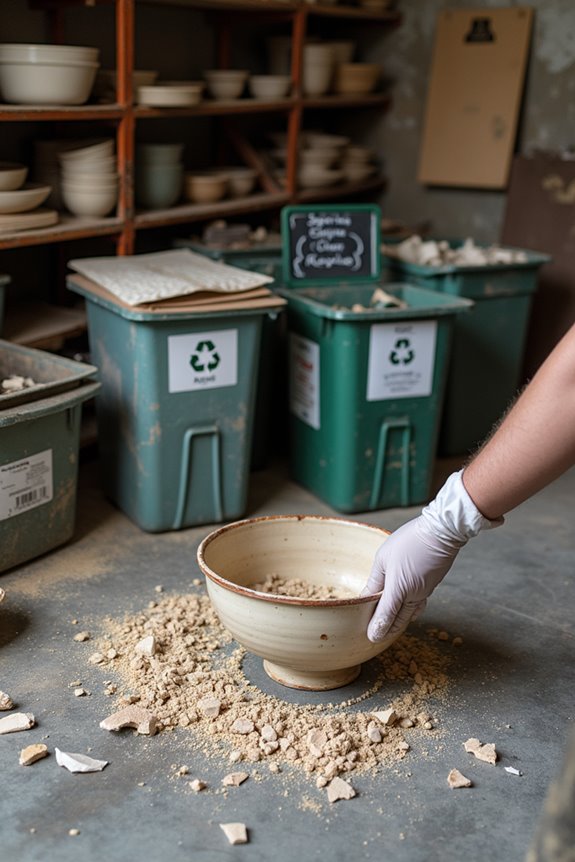
Have you ever wondered why your favorite ceramic mug can’t just go in the recycling bin like glass bottles? Well, I’ll tell you—ceramics actually damage standard recycling systems. See, ceramics have much higher melting temperatures than glass, which means they can harm equipment at recycling facilities. When ceramics enter the glass stream, they cause significant processing problems that workers must address. Most US recycling programs, including Washington’s, simply don’t accept ceramics. The problem is that the higher temperatures needed to melt ceramics can break machinery designed for regular glass. So instead of helping the environment, putting ceramics in the wrong bin creates difficulties for the people working to recycle our materials responsibly.

Eco-Friendly Recycled Smart Gravel: Made in the USA from 100% recycled plastics to help reduce environmental waste and plastic pollution

THE ORIGINAL - Potrisers are the original invisible pot feet. Family owned and operated since 2008. Standard size elevate your pots 1/2" off the ground and measure 1" X 1" X 1/2"

THE ORIGINAL - Potrisers are the original invisible pot feet. Family owned and operated since 2008. Standard size elevate your pots 1/2" off the ground and measure 1" X 1" X 1/2"
Assess Your Ceramics: Which Disposal Path Makes Sense
Now that you understand why ceramics don’t belong in standard recycling, the next step is figuring out what to do with yours—and honestly, you have options. Before you decide, take a good look at what you’re working with. Are your ceramics intact or broken? That question matters more than you’d think.
Here’s what I mean:
- Intact pieces can find new life through donation or creative reuse
- Broken ceramics need safe disposal, ideally bagged to prevent cuts
- Local programs might exist where you live, grinding ceramics into useful aggregate
Once you’ve assessed your situation, you’ll know exactly which path makes sense for your ceramics. No guessing required—just match your items to the right solution.

Product Information: SUPERBIO Compostable Food Scrap Bags ,1.6 gallon (6L) 16.1 in x 19.3 in x 0.63 mil, 50 bags per roll, handle tie. The package does not include compost bin

1.3 to 1.6 Gallon Compost Bags Applications:Size:15in x 15.7in, Packaging: 35 Bags Per Roll. Ideal for kitchen food waste, small compost bins, home gardening, and office use. Perfect for collecting fruit peels, coffee grounds, plant trimmings, and other organic waste.

[Product specifications]: 1.2gal (15 in × 18.8 in); 100 bags per roll. Perfectly fits small composting bins, suitable for recycling daily food waste and kitchen garba
Donate Intact Pieces to Thrift Stores and Community Groups
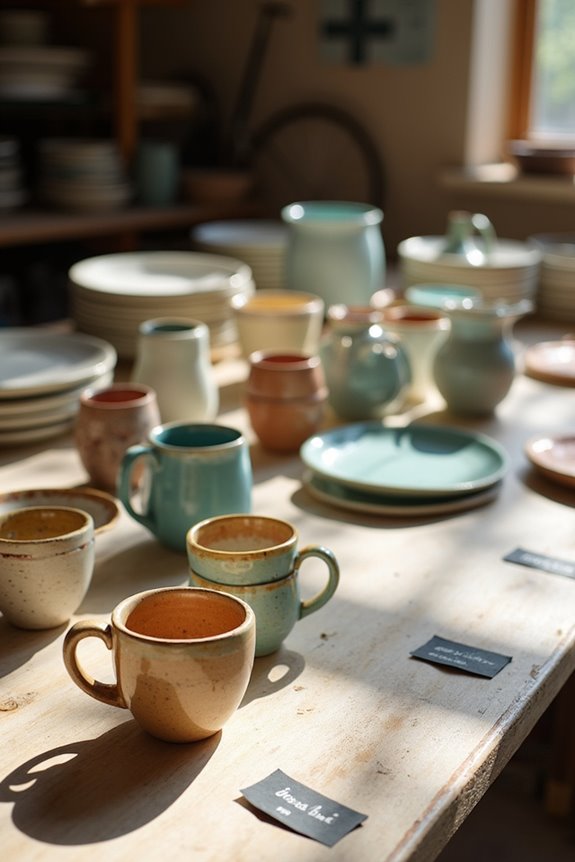
Once you’ve sorted through your ceramics and found pieces that are still in great shape, you’re ready for the easiest option: donation.
Before you donate intact pieces to thrift stores and community groups, call ahead and ask about their specific requirements. Some places accept ceramics enthusiastically, while others have limits on what they’ll take.
| Donation Option | Best For | Contact First? |
|---|---|---|
| Thrift stores | Everyday dishes, decorative items | Yes, always |
| Churches | Serving pieces, fundraising sales | Yes, confirm needs |
| Craft programs | Unique or artistic ceramics | Yes, check guidelines |
Your intact pieces will find new homes, extend their usefulness, and bring joy to someone else’s table. By donating, you’re contributing to waste reduction in your community.
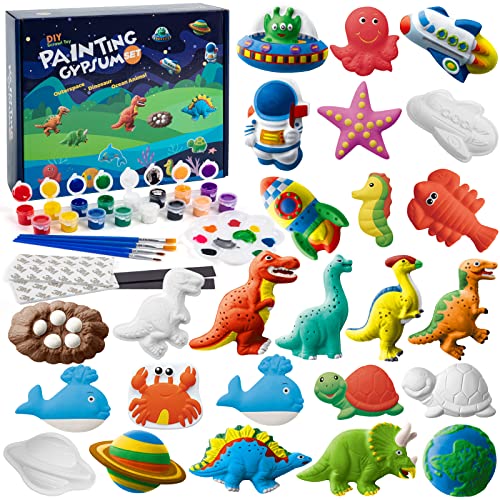
Comes with 20 painting figurines, 16 color paints, 4 brushes, stickers & magnets for kids to paint their own dinosaurs, marine life, rockets & astronauts


Package Content: You will receive 6 pieces of round painting sponge, enough quantity meets all your needs.(Note: Since this product is vacuum packed, the shape of the product may be affected to a certain extent when received and opened. However, the sponge is a memory foam. You can soak it in water for a while and then let it dry to restore its shape.)
Find a Professional Ceramic Recycling Center
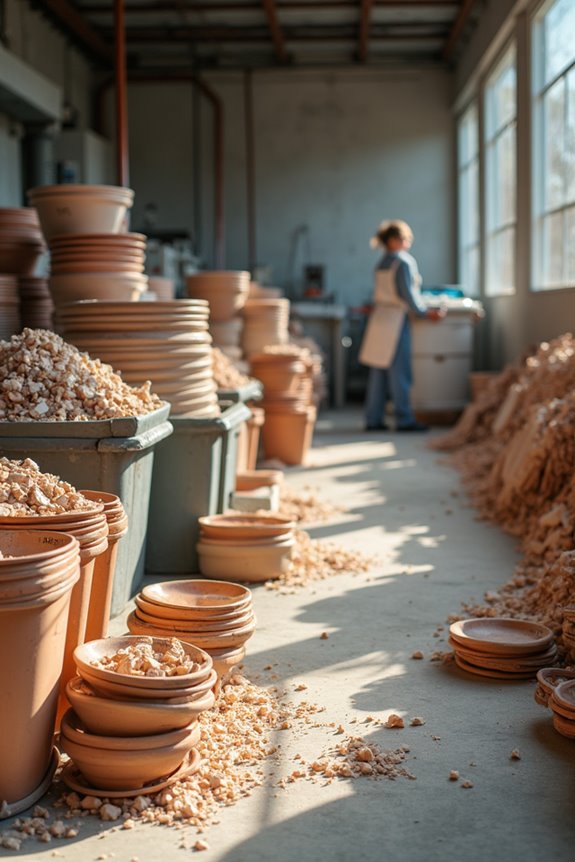
If you’ve got broken ceramics that’re beyond saving, search online for local ceramic recycling centers in your area—just type in your town or city, and you’ll find what’s available nearby. Keep in mind that not every recycler accepts ceramics, so you’ll want to confirm they handle sinks, toilets, tiles, and whatever else you’re trying to get rid of. Once you find a center that’ll take your stuff, ask about their specific drop-off rules, whether they need you to sort anything, and how they want your pieces bundled up safely.

|Superior Ceramic| Made of top-quality ceramic and baked in high temperatures, these succulent planter pots are durable and sturdy enough, which are not easy to fade and corrode. Owing to the smooth glaze, only a gentle wipe can keep it clean and shiny.

|Mini and adorable Pots| - Perfect for holding baby succulent cactus and plant. Provide a comfortable home for your favourite plants.

|Superior Ceramic| Made of top-quality ceramic and baked in high temperatures, these succulent planter pots are durable and sturdy enough, which are not easy to fade and corrode. Owing to the smooth glaze, only a gentle wipe can keep it clean and shiny.
Locating Ceramic Recyclers
Where can you actually take that broken toilet or stack of old tiles? I’d start by searching online for ceramics recycling centers in your town or city—it’s worth looking into. Here’s what works:
- Search “[your city] ceramic recyclers” to find local facilities nearby
- Call ahead to confirm they accept your specific items, like sinks or kitchenware
- Ask whether you need to drop off inside or use their drop box
Not every recycler handles ceramics the same way, so verification really matters. Some places also process brick and cement, and certain manufacturers will take back their own products. You’re participating in an effort to keep materials out of landfills, which is worthwhile.
Verifying Acceptance Criteria
How do you know if a recycling center will actually take your ceramics? Well, here’s the thing—not every recycling center accepts ceramics the same way, so you’ve gotta ask first. Call ahead or check their website to confirm they handle ceramic sinks, toilets, tiles, or kitchenware. Some centers require you to drop items inside, while others use drop boxes, so verify their process beforehand. This step saves you a wasted trip. Ask whether they process ceramics into aggregate for paving or drainage—understanding their method helps you feel confident about your choice. Since availability varies by location, don’t assume your nearest recycling center automatically accepts ceramics. A quick conversation confirms you’re bringing materials somewhere they’ll actually recycle them properly.
Check Manufacturer Take-Back Programs for Fixtures
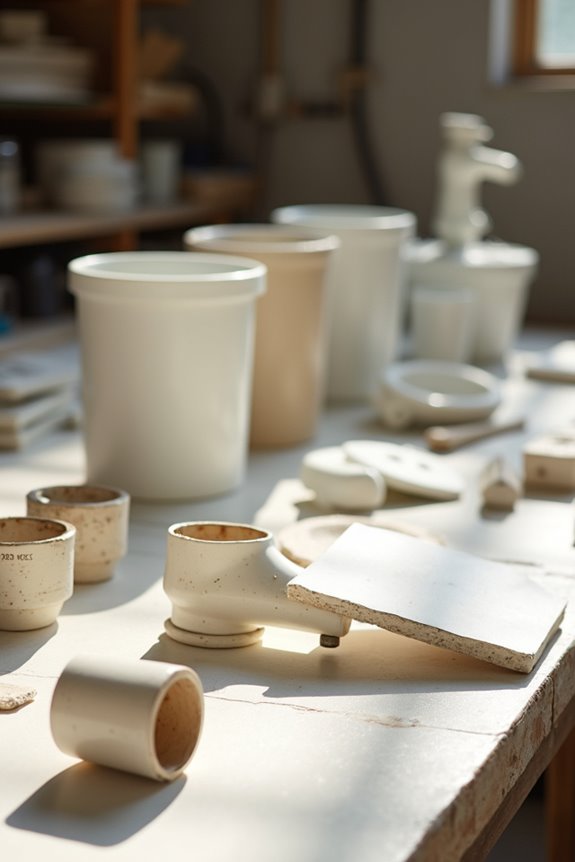
Before you toss those ceramic fixtures, check if the manufacturer offers a take-back program—some companies will actually buy back their products or accept returns for recycling, which beats hauling everything to the dump yourself. You’ll want to contact the manufacturer directly or search their website to see what regions they cover, since not every area participates, and they might have specific requirements about how the products need to be packaged or shipped. If they do offer a rebuy program, you’re getting a practical option while potentially putting a little cash back in your pocket.
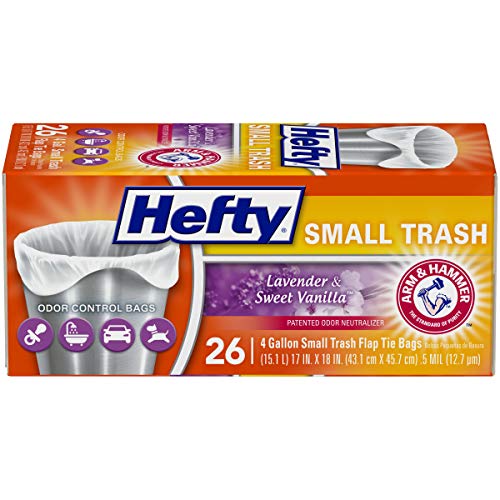
4 GALLON GARBAGE BAGS: This package contains 26 Hefty Small white, Lavender & Sweet Vanilla scented, 4 gallon trash bags

Perfect Fit for Small Kitchen Bins — 3 gallon / 11.35 liter (16.9 in x 17.7 in, 0.71 mil); 100 bags per roll. Designed for compact kitchen compost bins to keep food-scrap collection simple and clean.

50 COMPOSTABLE BAGS – One refill includes 50 compostable bags, offering the ideal capacity for daily kitchen food waste collection
Manufacturer Rebuy Programs
Ever thought about checking with the company that made your old tiles or bathroom fixtures—you know, the ones gathering dust in your garage? Here’s the thing: many manufacturers actually want their products back, and they’ll pay you or recycle them responsibly. I’ve discovered that reaching out directly pays off.
Check these options:
- Buy-back programs where companies repurchase outdated tiles or fixtures at reduced prices
- Direct recycling pathways that manufacturers offer specifically for their brand products
- Resale opportunities through official channels that keep ceramics out of landfills
You’ll find that manufacturer take-back programs vary by company and location, so contacting them directly matters. Some brands have generous programs waiting. It’s worth five minutes of research to see if you’re sitting on ceramic gold that could earn you cash or help the planet.
Product Return Requirements
What’s the catch with manufacturer take-back programs? Well, here’s the thing—if you want to participate in a manufacturer’s recycling program, you’ll likely need to return the actual product to them. I know, it sounds like extra work, but hear me out. Many ceramic fixture manufacturers offer these programs specifically for products purchased for resale, meaning contractors and builders benefit most. You’re basically sending your old sink, toilet, or tile back to where it came from. Some manufacturers handle hazardous waste components responsibly during recycling. Before you commit, check directly with your product’s manufacturer—not all companies offer these programs. If they do, ask about shipping requirements, costs, and whether hazardous waste handling’s included. It’s worth the effort when recycling happens properly.
Transform Broken Pieces Into Mosaics and Art
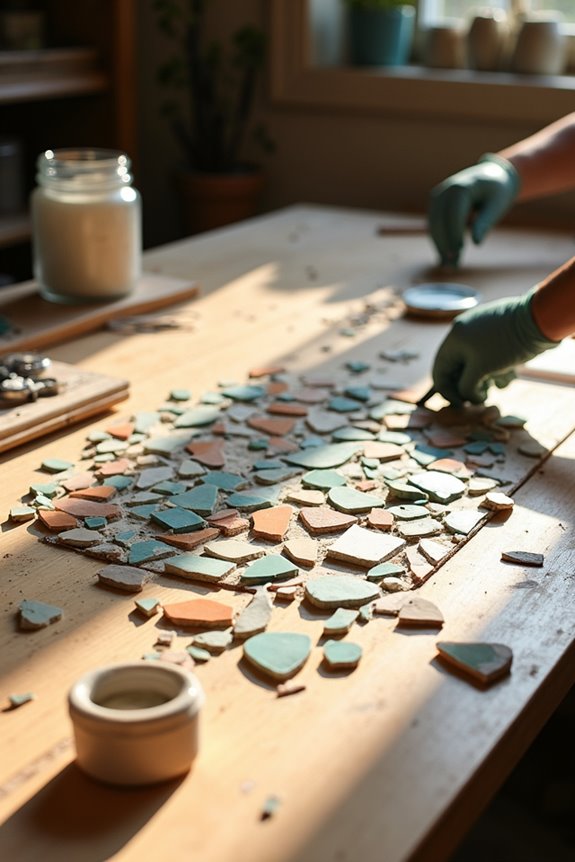
Why toss those chipped dishes and broken ceramic pieces into the trash when they could become something beautiful? I’ve discovered that turning damaged ceramics into mosaic art is rewarding and straightforward.
Transform your broken dishes into beautiful mosaic art—a rewarding way to reduce waste and create meaningful pieces.
Here’s what you can do with your broken pieces:
- Use shards as tesserae to create decorative patterns on boards, frames, or planters
- Ground damaged pieces into uniform fragments for filling glass planters or drainage fills
- Display salvaged ceramic pieces as charming decorative heirlooms that tell your story
The key is protecting yourself—wear rugged gloves when handling sharp edges, and store your shards in sturdy bags. When you turn broken ceramics this way, you’re not just reducing waste; you’re joining a group that values second chances. Your once-forgotten dishes become meaningful art.

WHAT YOU GET: 6 unglazed ceramic mugs. Each mug holds 11 oz, size is 4.72”H x 3”W.


【Brand:Tuciyke】Made of wooden materials, it feels smooth, durable, easy to use and clean. Can be reused.
Use Ceramic Fragments for Garden Drainage and Gravel
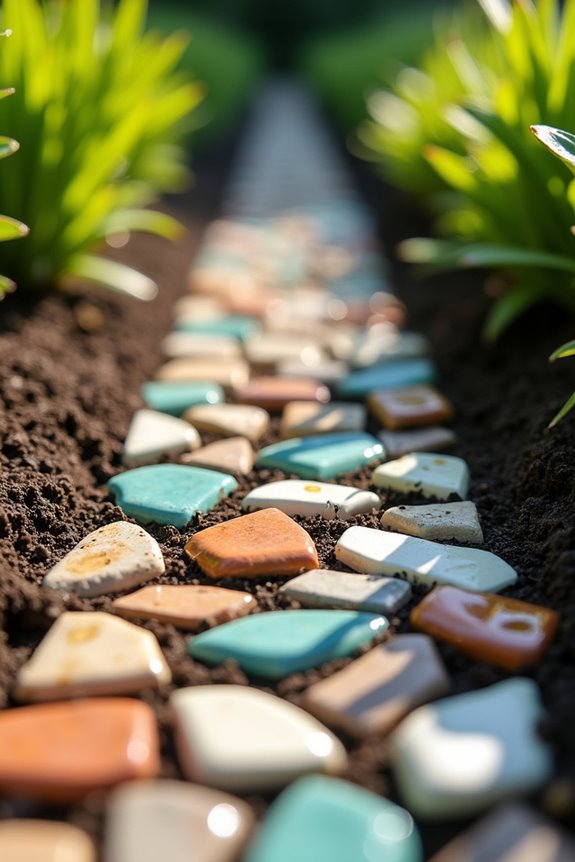
If you’ve got broken dishes piling up, you can crush those ceramic pieces and turn them into practical garden material. You’ll want to break them down into smaller chunks (grab some gloves first, those edges are sharp), then layer them at the bottom of pots or use them in post holes where you’d normally toss gravel, giving you drainage benefits that work just like pricier materials. It’s a smart way to keep ceramics out of landfills while solving a real gardening problem at the same time.

【Super Special Course】:This package includes a 3-pack of 14-inch plant trays, each measuring 14 inches at the top and 12.4 inches at the bottom, which can be used for multiple purposes!

Long-Lasting Beauty: Come with 16 pounds of decorative rocks for indoor plants, each plant rocks measuring around 1-2Inch(2-3cm). Dye and oil-free, they resist fading and shinier when washed or use in water. Eco-friendly and recyclable, maintaining enduring beauty and lovely at home.

【Super Special Course】:This package includes a 3-pack of 10-inch plant trays, each measuring 10.6 inches at the top and 9 inches at the bottom, which can be used for multiple purposes!
Crushing Ceramics For Drainage
Instead of tossing those broken plates and tiles into the trash, you can crush ’em up and give them a whole new purpose in your garden. I crush my fragments into smaller pieces, which creates excellent drainage material for pots and planters. Before you start crushing, make sure your ceramics are clean and free from paints or glazes that might contain harmful stuff.
Here’s what makes this approach work:
- Creates lightweight aggregate that drains water better than dense soil
- Reduces disposal volume while giving you free drainage material
- Provides a decorative touch to garden installations and outdoor spaces
Just wear gloves and eye protection when crushing—those shards are sharp! You’ll save money on gravel while recycling responsibly.
Gravel Substitutes From Fragments
How many times have you bought bags of expensive gravel for your garden, only to wish you’d saved that money for something else?
Well, I’ve found a better way. Crushed ceramics work as a gravel substitute, and you’re repurposing stuff that’d otherwise get discarded. I clean broken dishes, tiles, and old pottery, crush them up, and use them throughout my garden beds.
| Use | Benefits | Tips |
|---|---|---|
| Pot drainage | Improves water flow | Keep fragments small |
| Ground cover | Reduces erosion | Check for glazing |
| Soil aeration | Stabilizes pots | Crush thoroughly |
| Garden beds | Cost-effective | Remove sharp edges |
| Decorative layer | Repurposes waste | Stay safe crushing |
The best part? My ceramics drain just like traditional gravel, without the expense of buying new materials. Plus, I’m part of a community of people who value waste reduction.
Garden Application Methods
Once you’ve crushed your ceramic fragments into manageable pieces, you’re ready to put them to practical use in your garden while diverting waste from the landfill.
Ceramics work well in three main applications:
- Drainage layers: Place crushed pieces at the bottom of pots or scatter them through raised bed bases, creating pathways for water that keeps roots healthy
- Garden paths: Use larger fragments as decorative gravel, adding texture and visual interest alongside stones
- Lightweight fill: Ground ceramics serve as aggregate for drainage fills, making your garden beds lighter and more functional
Before you start, make sure your ceramics are clean and free from hazardous glazes—you’re creating a functional space, not contaminating your soil. This approach aligns with zero-waste living, turning breakage into useful garden material that serves your plants and reduces waste simultaneously.
Prep Ceramics for Reclaiming and Long-Term Storage
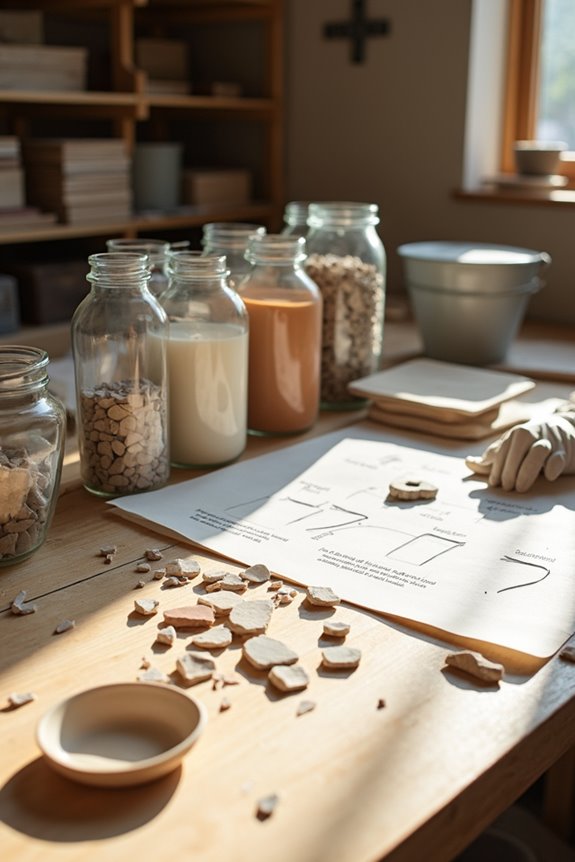
The ceramic scraps you generate can be reclaimed and reused rather than discarded. Keep your clay bodies separate by type, bagging each one clearly to prevent mix-ups during ceramics waste management. Store recycled scraps moist on a shelf, maintaining a melted-ice-cream consistency by adding water when bags are half full. After initial moistening, add more water as needed, sometimes creating a slurry with plaster to speed the process. Using a plaster slab, let excess water absorb over several days. Once your clay stops feeling sticky, wedge it thoroughly, then divide it into throwable balls. This prep work makes future projects much easier.

Perfect Fit for Small Kitchen Bins — 2.6 gal / 9.84 L (16.3 in × 22 in, 0.68 mil); 50 bags per roll. Fits most 2.6 gallon countertop compost bins; tie handles for quick closure and easy carry.


Perfect Fit for Small Kitchen Bins :These 1.6 gallon compostable trash bags (19.3 in × 16.1 in, 0.7 mil); Each roll contains 50 bags,2 rolls.( The trash can is not included)
Stay Safe Handling Broken Ceramics
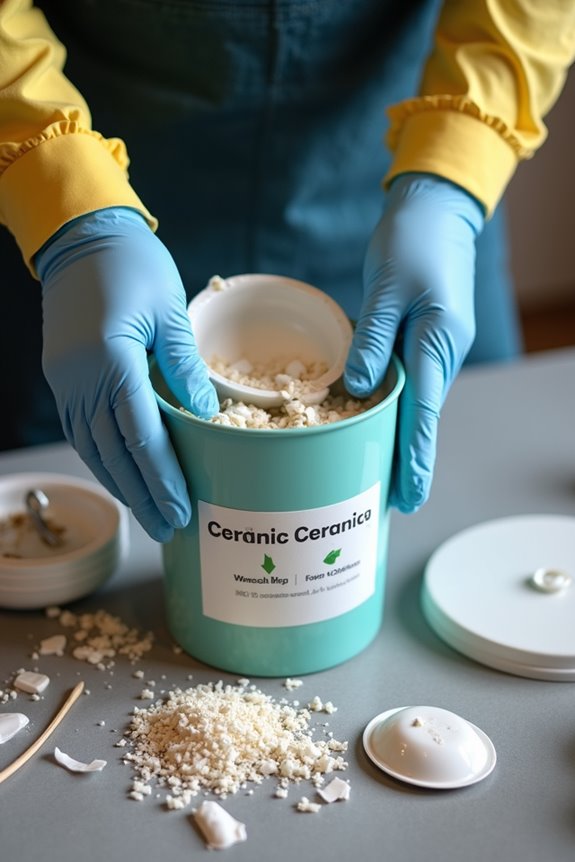
Safety matters when you’re dealing with ceramic shards, and I can’t stress this enough—those sharp edges don’t mess around. Here’s what I’ve learned helps me stay protected:
- Wear sturdy gloves whenever you’re handling broken pieces, because those edges slice through skin faster than you’d think
- Use a thick bag to contain everything safely, preventing accidents during transport to the trash
- Take your time sorting through damaged ceramics; rushing leads to cuts and injuries
I always remember that broken ceramics aren’t worth a trip to the emergency room. Those sharp fragments hide everywhere, waiting to catch your fingers or hands. By wearing proper gloves and being intentional with my movements, I’ve managed to handle broken pieces safely. Protecting yourself first makes the entire disposal process smoother and less stressful for everyone involved.

The Petal Mosaic Tiles are perfect for DIY mosaic projects, allowing you to unleash your creativity. Each set includes approximately 200 grams/70 pieces, making it easy to create beautiful works of art.

Inclusive Artsy Fun Adventure: our package contains 24 diverse ceramic painting kits, each one providing a unique painting delight; Each set is complete with ceramic or plaster figurines depicting a variety of designs like flowers, butterflies, houses, animals and more; Suitable for budding artist's needs, the sets also include 4 paintbrushes, 2 palettes, 24 vibrant acrylic paints, and 24 magnets, making it easier for women to get crafty right away

Premium Quality: Our ceramic mosaic tiles feature a vibrant color range and natural petal shapes, adding a touch of elegance to your DIY crafts.
When Landfill Disposal Is Your Only Option
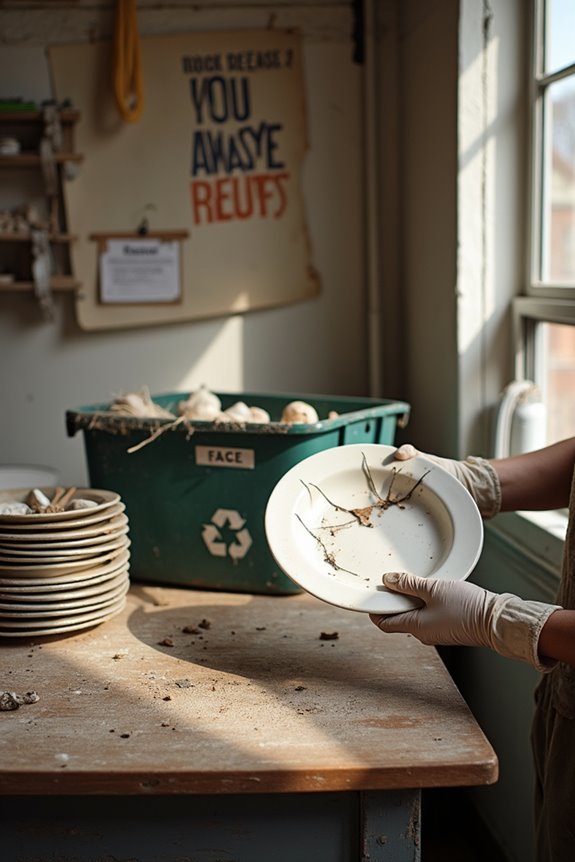
What happens when you’ve exhausted every recycling and donation option for your ceramics? Sometimes, landfill disposal becomes your reality. I understand—not every piece finds a second life, and that’s okay.
Before tossing anything, though, here’s what I consider:
| Option | Best For | Reality Check |
|---|---|---|
| Sturdy bag in trash | Broken ceramics | Safe, contained waste |
| Curbside pickup | Small quantities | Check local rules first |
| Landfill drop-off | Larger amounts | Often free or low-cost |
When nothing else works, I place broken items in a sturdy bag—this protects sanitation workers and prevents sharp edges from causing problems. It’s honest waste management. You’ve already tried recycling and donating; sometimes disposal is simply the responsible choice we make.

【Dual-Layer Design for Effective Draining & Protection】The ceramic fruit basket features a smart two-tier structure with evenly distributed ceramic drainage holes in the...
Label and Document Ceramics to Enable Future Reuse
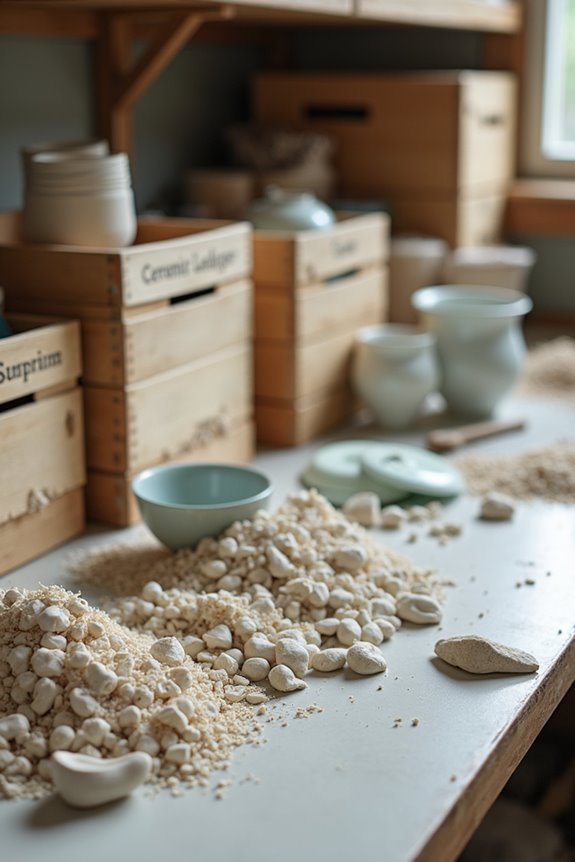
Ever wonder why some potters seem to have an endless supply of clay while others keep buying more? Labeling and documenting your ceramics scraps makes the difference—no more mystery bags or wasted materials.
Here’s what I do:
- Label each bag by clay type to keep earthenware, stoneware, and porcelain completely separate
- Write the contents directly on bags so I know exactly what’s inside months later
- Add water gradually as bags age, turning scraps into that perfect melted ice cream consistency